
Boost the Bankroll: A Real Bankroll Management Guide for Horse Racing Bettors
Most betting advice focuses on which horse to bet, not how much to bet on it. That is backwards. The bettors who last, and who actually come out ahead over a season rather than a single lucky weekend, treat their bankroll like a business treats its cash flow. This guide walks through the fundamentals of bankroll management for horse racing bettors, no jargon, no hype, just the habits that keep you betting for months instead of blowing through a deposit in an afternoon.
What Bankroll Actually Means (And Why It Is Not Your Bank Account)
Your bankroll is the money you have specifically set aside for betting, separate from rent, groceries, savings or anything else that needs to exist regardless of how your bets land. Treating your whole bank balance as your bankroll is the single most common mistake new bettors make, because it means a bad week at the track can bleed into money you actually needed. Decide on a fixed amount you can afford to bet with, move it into its own account or e-wallet if that helps you keep the line clear, and treat that number, not your total savings, as the pool you are managing.
Set Your Unit Size Before You Ever Look At A Race Card
A unit is a fixed percentage of your bankroll, typically between one and two percent, that represents your standard bet size. If your bankroll is $500, a one percent unit is $5, a two percent unit is $10. The point of deciding this number before you look at the card is that it removes emotion from the equation. Once you are looking at a horse you like, your judgement about how much to bet on it is already compromised by how much you want it to win. Fixing your unit size in advance means every bet gets sized the same sensible way, regardless of how confident, excited or frustrated you are feeling that day.
| Bankroll | 1% Unit | 2% Unit |
|---|---|---|
| $100 | $1 | $2 |
| $500 | $5 | $10 |
| $1,000 | $10 | $20 |
| $2,500 | $25 | $50 |
Why Chasing Losses Is The Fastest Way To Empty A Bankroll
Chasing losses means increasing your bet size after a loss to try to win back what you just gave up in a single race. It feels logical in the moment, you are down, you want to get back to even, so you bet bigger. In practice it is the single fastest way to turn a manageable bad day into a wiped out bankroll, because it stacks your biggest bets on top of your worst run of form reading, right when your judgement is least reliable. A bad beat does not owe you anything back in the very next race. Stick to your unit size after a loss the same way you would after a win, and let results even out over weeks, not single afternoons.
Sizing A Bet To Your Actual Confidence
Flat unit betting does not mean every single bet has to be identical forever. Once you have a base unit set, it is reasonable to scale within a narrow range, say half a unit on a race you are lukewarm on and one and a half units on a price you genuinely think is wrong, but the scaling should track how much of a genuine edge you believe you have found, not how good a horse's name sounds or how much you want it to win. If you find yourself justifying a bet three or four times your normal unit, that is usually excitement talking, not analysis.
| Confidence Level | Unit Multiplier | Example ($10 Base Unit) | When To Use It |
|---|---|---|---|
| Lukewarm | 0.5x | $5 | You like the race but don't see a clear price edge |
| Standard | 1x | $10 | Your default bet, most races fall here |
| High Conviction | 1.5x | $15 | You have a genuine, specific reason the price is wrong |
Exotic Bets And Bankroll: What Changes
Exactas, trifectas and superfectas eat into a bankroll differently than a straight win bet, because the cost of a ticket multiplies fast as you add horses and combinations. A $1 trifecta box with four horses is 24 combinations, meaning a $24 outlay for one race. The sensible approach is to budget exotics as their own smaller slice of your unit, keep the horse count tight rather than boxing half the field, and accept that exotics are a higher variance, longer odds play that should never eat the same share of your bankroll as your win bets across a card.
| Horses Boxed | $1 Exacta Box | $1 Trifecta Box | $1 Superfecta Box |
|---|---|---|---|
| 3 horses | $6 | $6 | N/A |
| 4 horses | $12 | $24 | $24 |
| 5 horses | $20 | $60 | $120 |
| 6 horses | $30 | $120 | $360 |
A Simple Weekly Or Monthly Bankroll Check In
Set a schedule, weekly or monthly works for most bettors, to actually look at where your bankroll stands and recalculate your unit size from the current number, not the number you started with three months ago. If your bankroll has grown, your unit size grows proportionally and you are betting the same sensible percentage on more meaningful money. If it has shrunk, your unit size shrinks too, which is exactly the built in protection that stops a rough patch turning into total wipeout. The check in takes five minutes and is the difference between a system and a habit you abandon the first time it gets tested.
Use a simple tracker like the one below, filling in your actual numbers each week.
| Week | Starting Bankroll | Ending Bankroll | New 1% Unit |
|---|---|---|---|
| Week 1 | |||
| Week 2 | |||
| Week 3 | |||
| Week 4 |
Bet Smarter, Not Bigger, On MyWinners
None of this requires picking more winners, it just requires betting the ones you do pick in a way that lets you stay in the game long enough for good decisions to pay off. Set up your bankroll and start betting smarter at MyWinners.
Bet online at app.mywinners.com, on the MyWinners: Racing & Sports app on iOS or Android, or go here to find your nearest MyWinners or Winners venue in CT.
Frequently Asked Questions
A betting bankroll is a fixed amount of money set aside specifically for betting, kept separate from money needed for everyday expenses.
A common guideline is one to two percent of your total bankroll per bet, known as a unit, adjusted slightly based on how strong you believe your edge is on a particular race.
Unit betting means sizing every bet as a consistent percentage of your bankroll rather than a random dollar amount, which keeps bet sizing steady regardless of emotion.
Only in proportion to your bankroll actually growing, recalculated at your regular check in, rather than increasing size on the spot because you are on a hot streak.
Commit to your fixed unit size before you start betting and stick to it after a loss exactly as you would after a win, rather than raising your stake to try to win back what you lost in the very next race.
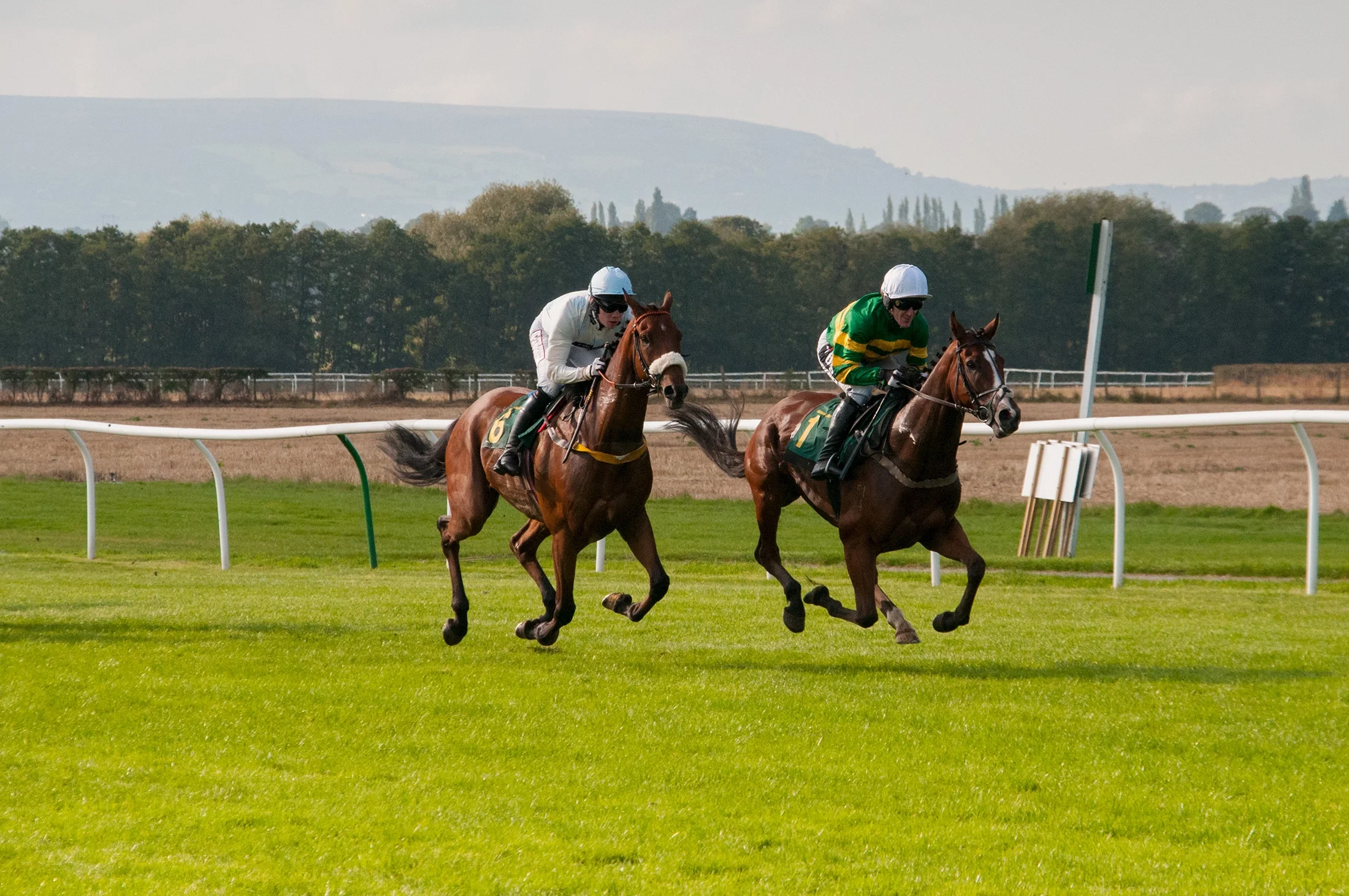
Image by horseracingphoto.co.uk, licensed under a Creative Commons Attribution 2.0 UK: England & Wales License.
