
What Is the Breeders' Cup? History, Pedigree and Popularity
Every fall, the best racehorses in the world meet over two days for one prize: a championship. The Breeders' Cup World Championships brings together the top American dirt horses, the best European turf runners and, more and more, raiders from Japan, all chasing Grade 1 glory in races built to settle the big arguments of the season.
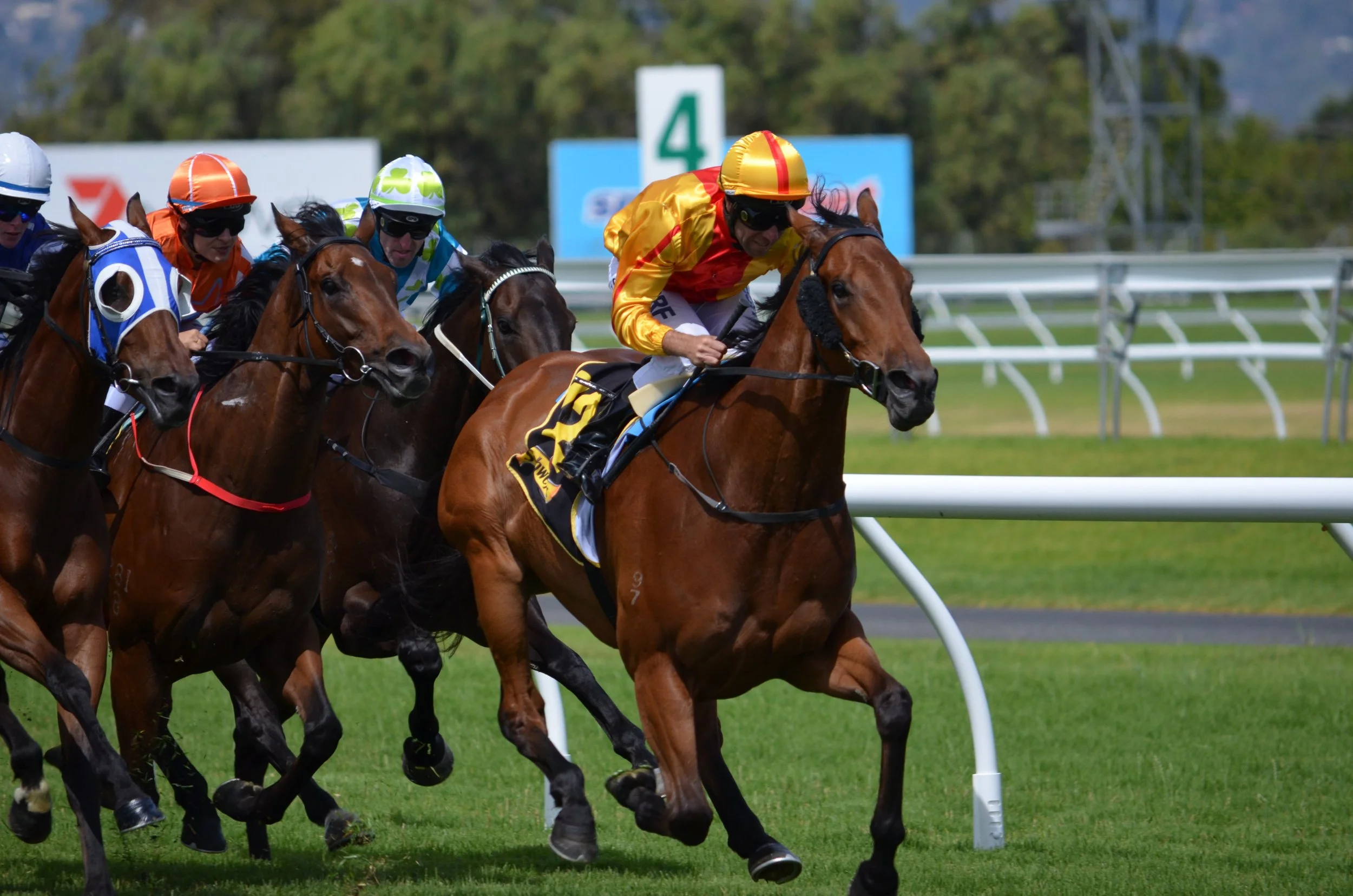
This guide explains what the Breeders' Cup is, where it came from, why the word "Breeders" sits in the name, and why it has become one of the biggest betting events on the racing calendar.
What Is the Breeders' Cup?
The Breeders' Cup is an annual series of championship races for thoroughbreds, staged in late October or early November. Today it runs over two days and features 14 races, all of them Grade 1. Friday, known as Future Stars Friday, showcases five races for two year olds. Saturday carries the nine championship races for older horses, finishing with the Breeders' Cup Classic over 1¼ miles on the dirt.
Think of it as racing's version of a season ending playoff. Sprinters, milers, turf specialists, fillies and mares, and juveniles all get their own championship race, so each division gets a clear winner. Results at the Breeders' Cup often decide the Eclipse Awards, the sport's year end honors in North America.
The event moves around. A different host track stages it most years, and Santa Anita Park in California has hosted more often than any other venue. Churchill Downs, Keeneland, Del Mar and Belmont Park have all taken turns. Only once has the Breeders' Cup left the United States, when Woodbine in Toronto hosted in 1996.
Here’s the skinny on the last 10 Breeders’ Cup winners:
| Year | Venue | Winner | Trainer | Jockey | Final Odds | $2 Win Payout | Margin | Runner Up | Starters | Time |
|---|---|---|---|---|---|---|---|---|---|---|
| 2025 | Del Mar | Forever Young (JPN) | Yoshito Yahagi | Ryusei Sakai | 7/2 | $9.00 | ½ length | Sierra Leone | 9 | 2:00.19 |
| 2024 | Del Mar | Sierra Leone | Chad Brown | Flavien Prat | 69/10 | $15.80 | 1½ lengths | Fierceness | 14 | 2:00.78 |
| 2023 | Santa Anita | White Abarrio | Rick Dutrow Jr. | Irad Ortiz Jr. | 13/5 | $7.20 | 1 length | Derma Sotogake (JPN) | 12 | 2:02.87 |
| 2022 | Keeneland | Flightline | John Sadler | Flavien Prat | 4/9 | $2.88 | 8¼ lengths | Olympiad | 8 | 2:00.05 |
| 2021 | Del Mar | Knicks Go | Brad Cox | Joel Rosario | 16/5 | $8.40 | 2¾ lengths | Medina Spirit | 8 | 1:59.57 |
| 2020 | Keeneland | Authentic | Bob Baffert | John Velazquez | 21/5 | $10.40 | 2¼ lengths | Improbable | 10 | 1:59.60 |
| 2019 | Santa Anita | Vino Rosso | Todd Pletcher | Irad Ortiz Jr. | 23/5 | $11.20 | 4¼ lengths | McKinzie | 11 | 2:02.80 |
| 2018 | Churchill Downs | Accelerate | John Sadler | Joel Rosario | 27/10 | $7.40 | 1 length | Gunnevera | 14 | 2:02.93 |
| 2017 | Del Mar | Gun Runner | Steve Asmussen | Florent Geroux | 12/5 | $6.80 | 2¼ lengths | Collected | 11 | 2:01.29 |
| 2016 | Santa Anita | Arrogate | Bob Baffert | Mike Smith | 17/10 | $5.40 | ½ length | California Chrome | 9 | 2:00.11 |
How the Breeders' Cup Began
The idea came from John R. Gaines, the Kentucky horseman behind Gainesway Farm, a stallion operation that stood champion sires such as Lyphard, Riverman and Blushing Groom. During Kentucky Derby week in 1982, Gaines pitched one rich, spectacular day of championship racing built for national television. He worked with fellow horseman John Nerud to turn the plan into reality.
It took just over two years. The first Breeders' Cup ran on November 10, 1984, at Hollywood Park in Los Angeles. That card featured seven races worth $10 million in total, and NBC carried it live. The Breeders' Cup Classic offered $3 million, making it the richest race in the world at the time, and longshot Wild Again won it.
Gaines left a lasting mark on the sport. Former NTRA commissioner D.G. Van Clief called him "the father of the Breeders' Cup" and noted he also founded the Kentucky Horse Park.
How the Breeders' Cup Grew
The Breeders' Cup ran as a single day event from 1984 through 2006. In 2007 it expanded to two days, and that same year the Breeders' Cup Challenge series launched. Better known as Win and You're In, the series hands winners of selected races around the world an automatic, fees paid spot in a matching Breeders' Cup race.
More races followed. The Breeders' Cup added three races in 2008, and the Juvenile Turf Sprint joined in 2018. That same year, organizers moved all five juvenile races to Friday under the Future Stars Friday banner, leaving Saturday for the older horses and the Classic.
The money grew with it. A card that offered $10 million in 1984 now ranks among the richest race meetings anywhere, and the Classic alone is worth millions on its own.
The Pedigree Behind the Name: Why It's Called the Breeders' Cup
The name tells you how the event works. Breeders fund it, and only horses with the right paperwork can run without paying extra.
It starts with the stallion. Each year, stallion owners can nominate their sires to the Breeders' Cup, and in North America the nomination fee equals the stallion's advertised stud fee, with a minimum of $1,000. That nomination makes the stallion's foals from that breeding season eligible.
Next comes the foal. Breeders pay a small, one time fee to nominate each eligible foal, normally in its year of birth, with a later and more expensive window for anyone who misses the deadline. Once nominated, a horse stays eligible for its whole racing career. Horses that miss out can still join later through a separate program for horses of racing age.
Those fees feed the purses. The Breeders' Cup says runners by nominated stallions have had more than $1 billion in purses and awards to run for since 1984. Nominators also earn awards when their horses finish in the first four of a Breeders' Cup race, which gives stallion farms a strong selling point. A sire with a Breeders' Cup winner on his record can command a bigger fee, which is exactly the cycle Gaines had in mind when a stallion man created a race series named for breeders.
Moments That Built the Breeders' Cup
Great races made the Breeders' Cup what it is. In 1988 at Churchill Downs, Personal Ensign ran down Kentucky Derby winner Winning Colors in the final strides of the Distaff to retire with a perfect 13 from 13 record.
In 1993, French trainer André Fabre sent Arcangues to Santa Anita for the Classic. Jerry Bailey had never seen the horse before race day, the tote board could only display 99/1, and Arcangues won at 133/1. His $269.20 win payout for a $2 bet remains the stuff of Breeders' Cup legend.
Tiznow became the only two time winner of the Classic, beating Giant's Causeway by a neck in 2000 and Sakhee by a nose at Belmont Park in 2001, just weeks after September 11. Goldikova became the first horse to win the same Breeders' Cup race three times, taking the Mile in 2008, 2009 and 2010 for trainer Freddy Head and jockey Olivier Peslier.
Zenyatta won the 2009 Classic and remains the only female to win it. A year later, Blame beat her by a head at Churchill Downs, the only defeat in her 20 race career. In 2015, American Pharoah won the Classic at Keeneland to complete the first Grand Slam, adding the Breeders' Cup Classic to the Triple Crown. Flightline won the 2022 Classic by 8¼ lengths, the biggest winning margin in the race's history.
Japan announced itself in 2021 at Del Mar. Trainer Yoshito Yahagi won the Filly and Mare Turf with Loves Only You and the Distaff with Marche Lorraine on the same day, the first Breeders' Cup wins for Japanese horses.
| Year | Horse | Race | Why It Mattered |
|---|---|---|---|
| 1984 | Wild Again | Classic | Won the first Classic, then the richest race in the world |
| 1988 | Personal Ensign | Distaff | Beat Derby winner Winning Colors to retire unbeaten in 13 starts |
| 1993 | Arcangues | Classic | Won at 133/1 and paid $269.20 for a $2 win bet |
| 2000 and 2001 | Tiznow | Classic | The only two time Classic winner |
| 2008 to 2010 | Goldikova | Mile | First horse to win the same Breeders' Cup race three times |
| 2009 | Zenyatta | Classic | The only female to win the Classic |
| 2015 | American Pharoah | Classic | Completed the first Grand Slam |
| 2021 | Loves Only You and Marche Lorraine | Filly and Mare Turf and Distaff | First Breeders' Cup wins for Japan |
| 2022 | Flightline | Classic | Won by 8¼ lengths, the biggest margin in Classic history |
Why the Breeders' Cup Is So Popular
No other North American race meeting brings the world together like this. American dirt stars, European turf horses and Japanese challengers meet on equal terms, and the Win and You're In series feeds winners in from across the globe. For fans, that means arguments finally get settled on the track.
The crowds and the betting reflect it. Santa Anita set the two day attendance record of 118,484 in 2016. Keeneland set the wagering record in 2022, when bettors pushed $189,060,373 through the windows across the two days. Even in 2025, a smaller crowd at Del Mar still bet more than $180 million.
The stars of the saddle and the barn add to the draw. Hall of Famer Mike Smith has won more Breeders' Cup races than any other jockey, with more than two dozen victories since his first in 1990. Aidan O'Brien holds the training record after passing D. Wayne Lukas with his 21st Breeders' Cup win in 2025.
Why the Breeders' Cup Is a Great Betting Event
Championship racing produces big fields, deep pools and horses meeting for the first time. That combination creates value. Comparing a European turf runner with an American one, or a Japanese dirt horse with the locals, is never simple, and the betting public often gets it wrong. Arcangues proved that in 1993, and Bailey's own words sum it up: "I went into that race blind."
The format suits every kind of bettor. Win bets on a single championship race, exactas and trifectas in full fields, and multi race bets that link several Grade 1 races all come into play. Doing the homework on form from different countries and surfaces pays off here more than almost anywhere else in racing.
| Stat | Detail |
|---|---|
| Average $2 win payout | $8.45 across the 10 runnings |
| Biggest payout | Sierra Leone, $15.80 (2024) |
| Shortest priced winner | Flightline, $2.88 (2022), the shortest price winner in Classic history |
| Widest winning margin | Flightline, 8¼ lengths (2022), the biggest in Classic history |
| Winners at single figure odds | 10 of 10 |
| Winning ages | 3yo: 3 (Arrogate, Authentic, Sierra Leone). 4yo: 5. 5yo: 2 (Accelerate, Knicks Go) |
| Most wins by a trainer | Bob Baffert and John Sadler, 2 each |
| Most wins by a jockey | Flavien Prat, Irad Ortiz Jr. and Joel Rosario, 2 each |
| Venues | Del Mar 4, Santa Anita 3, Keeneland 2, Churchill Downs 1 |
| International winners | 1, Forever Young (2025), the first Japanese trained Classic winner |
Bet the Breeders' Cup With MyWinners
From John Gaines' idea in 1982 to a two day world championship with 14 Grade 1 races, the Breeders' Cup has become the sport's biggest end of season test. Whenever the next one comes around, we'll have previews, form and betting angles on the MyWinners blog.
Bet online at app.mywinners.com, on the MyWinners: Racing & Sports app on iOS or Android, or go here to find your nearest MyWinners or Winners venue in CT.
Frequently Asked Questions
The Breeders' Cup World Championships is an annual two day series of 14 Grade 1 thoroughbred races, held in late October or early November. It decides the champions of each division and finishes with the Breeders' Cup Classic over 1¼ miles on the dirt.
The first Breeders' Cup ran on November 10, 1984, at Hollywood Park in Los Angeles. It featured seven races worth $10 million, and Wild Again won the first Breeders' Cup Classic.
Breeders fund the event. Stallion owners nominate their sires and breeders nominate their foals, and those fees make horses eligible and help pay for the purses.
Arcangues won the 1993 Breeders' Cup Classic at Santa Anita at odds of 133/1, paying $269.20 for a $2 win bet.
Yes. Tiznow is the only two time winner of the Breeders' Cup Classic, winning in 2000 and 2001.
