
Japanese Horse Racing: The World's Biggest Purses Americans Are Sleeping On
While American racing fans are locked into the Triple Crown season, one of the most thrilling and lucrative horse racing calendars on the planet is playing out thousands of miles away in Japan. Japanese horse racing is not just big — it is colossal. The Japan Racing Association (JRA) runs a full slate of Grade 1 races from late May through to the end of the year, with purses that dwarf most of what you will find anywhere outside of the United Arab Emirates or the biggest days at Churchill Downs. And the good news for MyWinners bettors is that JRA Grade 1 racing is available to bet on through our platform.
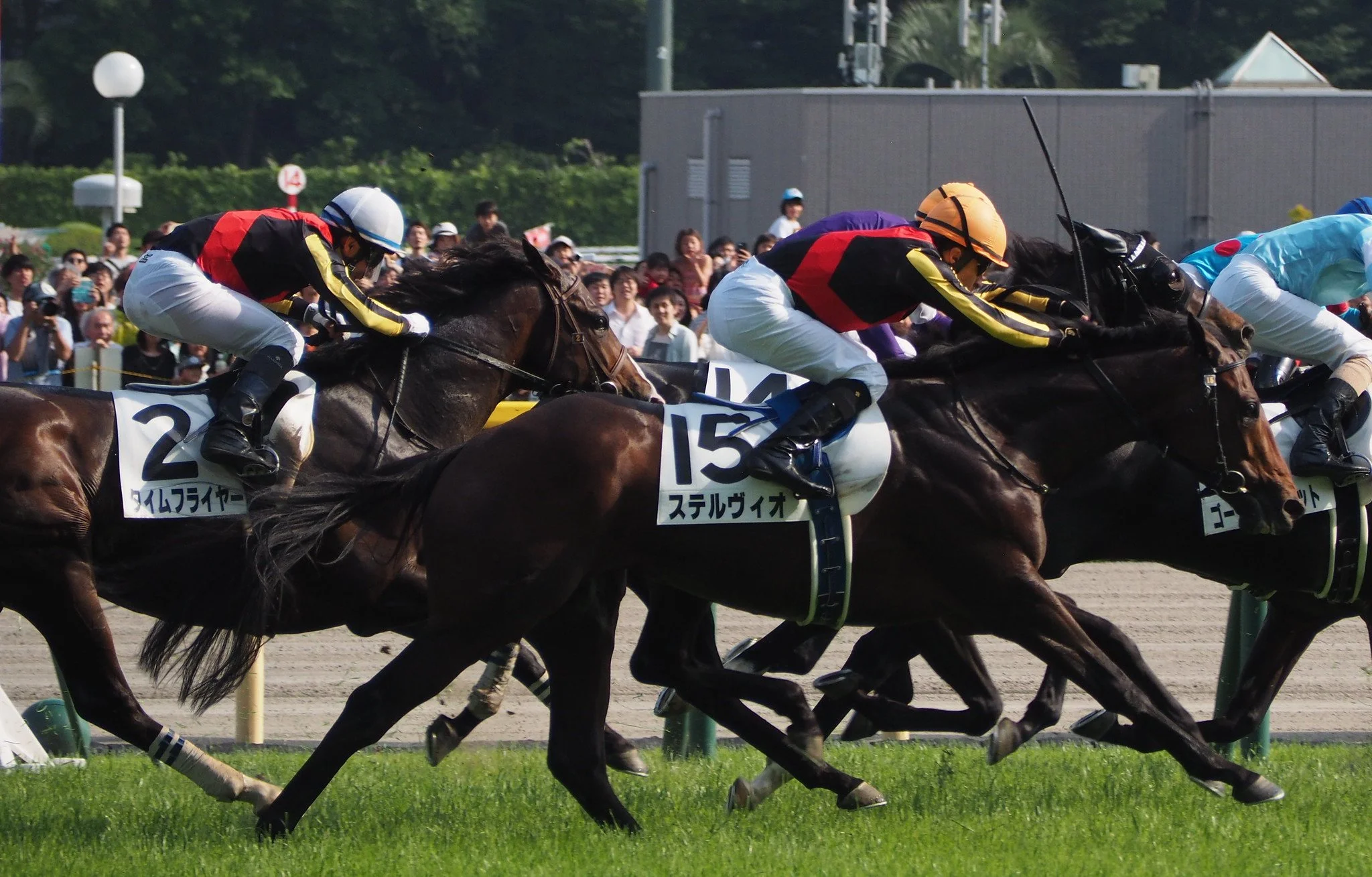
This guide breaks down everything you need to know about JRA Grade 1 racing — what makes it special, the biggest races on the calendar, the horses to follow, and how to get involved with your bets.
| Race | Grade | Distance | Surface | Eligibility | First Run |
|---|---|---|---|---|---|
| Yushun Himba (Japanese Oaks) | G1 | 2,400m | Turf | 3yo fillies | 1938 |
| Tokyo Yushun (Japanese Derby) | G1 | 2,400m | Turf | 3yo colts & fillies | 1932 |
| Yasuda Kinen | G1 | 1,600m | Turf | 3yo+ | 1951 |
| Takarazuka Kinen | G1 | 2,200m | Turf | 3yo+ (fan vote) | 1960 |
| Sprinters Stakes | G1 | 1,200m | Turf | 3yo+ | 1967 |
| Shuka Sho | G1 | 2,000m | Turf | 3yo fillies | 1996 |
| Kikuka Sho (Japanese St. Leger) | G1 | 3,000m | Turf | 3yo colts & fillies | 1938 |
| Tenno Sho (Autumn) | G1 | 2,000m | Turf | 3yo+ | 1937 |
| Queen Elizabeth II Cup | G1 | 2,200m | Turf | 3yo+ fillies & mares | 1996 |
| Mile Championship | G1 | 1,600m | Turf | 3yo+ | 1984 |
| Japan Cup | G1 | 2,400m | Turf | 3yo+ (international) | 1981 |
| Arima Kinen (The Grand Prix) | G1 | 2,500m | Turf | 3yo+ (fan vote) | 1956 |
- Why Japanese Horse Racing Is in a League of Its Own
- The Classic Season: Japan's Triple Crown and Fillies' Races
- The Summer and Autumn Championship Races
- The Year-End Showpiece: Japan Cup and Arima Kinen
- JRA Grade 1 Race Calendar: Rest of 2026
- How to Bet on Japanese Racing With MyWinners
- Frequently Asked Questions
Why Japanese Horse Racing Is in a League of Its Own ↑ Contents
Japan is the second-largest horse racing market in the world by wagering handle, with billions of dollars flowing through JRA pools every week. The level of competition is extraordinary: Japan regularly produces horses that go on to compete at the very highest international level, and the domestic prize money on offer is eye-watering.
Consider this: the Tokyo Yushun (Japanese Derby), run at Tokyo Racecourse in late May, carries a purse of approximately ¥651 million — around US$4.1 million. The Takarazuka Kinen and Tenno Sho (Autumn), two of the most prestigious races of the summer and autumn, each offer around US$3.15 million to connections. And then there is the Japan Cup and the Arima Kinen at year end, two of the richest races in the world.
For American racing fans used to the Triple Crown narrative, Japanese racing offers something just as dramatic — with the added intrigue of a unique betting culture, fan-voted fields, and some of the best horses you have never heard of.
The Classic Season: Japan's Triple Crown and Fillies' Races ↑ Contents
Japan has its own Classic structure for three-year-olds, broadly mirroring the European and American patterns. The colts' Triple Crown consists of the Satsuki Sho (Japanese 2000 Guineas) in April, the Tokyo Yushun (Japanese Derby) in late May, and the Kikuka Sho (Japanese St. Leger) in October. The fillies have their own equivalent in the Oka Sho (Japanese 1000 Guineas) and the Yushun Himba (Japanese Oaks).
Yushun Himba (Japanese Oaks) — Grade 1, Tokyo Racecourse, 2,400m
First run in 1938, the Yushun Himba is Japan's premier fillies' Classic, run over 2,400 meters on the turf at Tokyo Racecourse. Foreign-bred horses have been allowed to enter since 2003, and the race achieved international Grade 1 status in 2010. The winner's purse is JPY150 million — approaching US$1 million.
The 2026 edition takes place on May 24, and the field is headed by Star Anise, a daughter of Drefong trained by Tomokazu Takano. She arrives having already won the Grade 1 Hanshin Juvenile Fillies as a two-year-old and the Grade 1 Oka Sho (Japanese 1000 Guineas) this spring, making her a genuine Triple Crown-style contender for the fillies. Other leading fancies include Laughterlines, who won the Grade 2 Flora Stakes over 2,000 meters at Tokyo last month, and Alankar, who ran fifth in the Oka Sho but is thought to have been unlucky by her trainer Takashi Saito. Christophe Lemaire — a four-time Oaks winner — rides Dream Core, a Kizuna filly who has won all three of her starts at Tokyo and is expected to relish the step up in trip.
Big-name winners of the Yushun Himba in recent years include Almond Eye (2018) and Liberty Island (2023), both of whom went on to become dominant forces in Japanese and international racing.
Tokyo Yushun (Japanese Derby) — Grade 1, Tokyo Racecourse, 31 May 2026
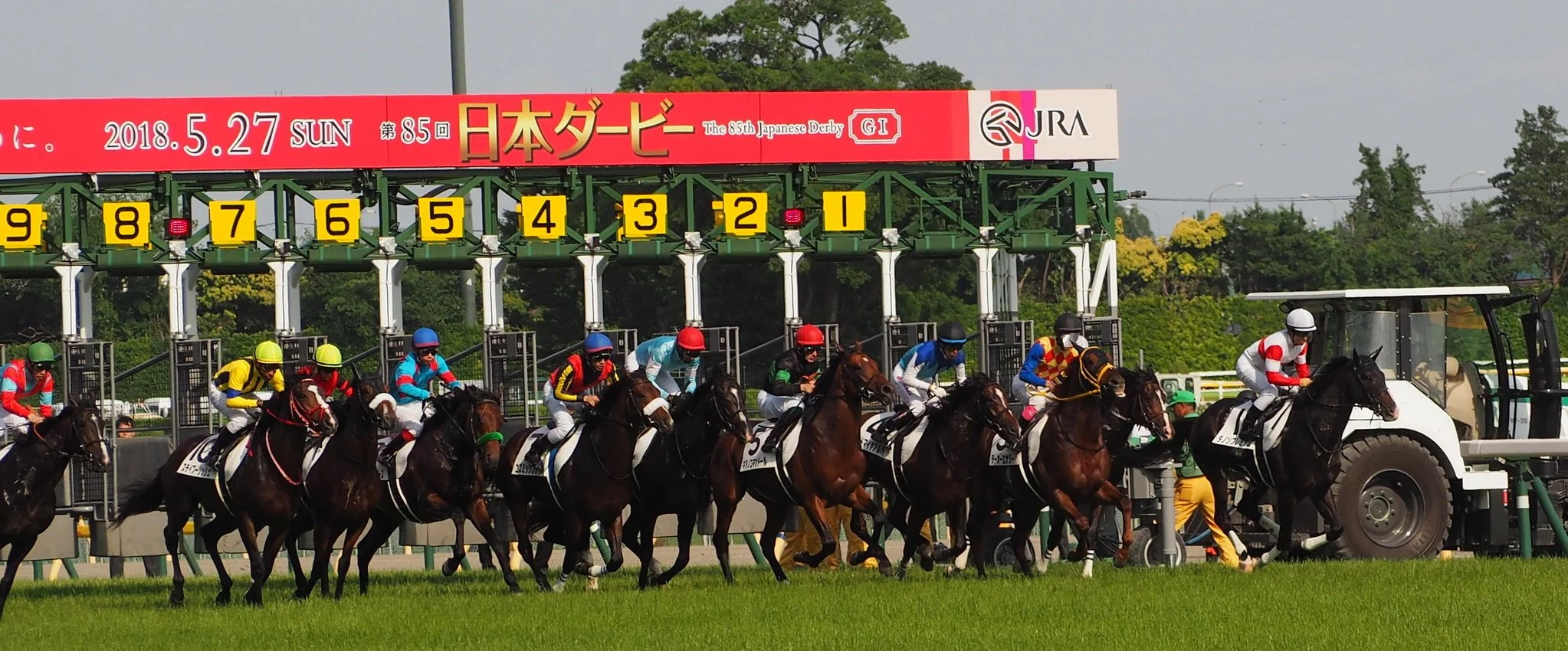
The Tokyo Yushun is the centerpiece of Japan's Classic season and one of the most prestigious flat races anywhere in the world. Run over 2,400 meters at Tokyo Racecourse, it carries a purse of approximately ¥651 million (US$4.1 million) — bigger than the Kentucky Derby. Only three-year-olds are eligible, and the race serves as the defining Classic of the generation, with the winner instantly elevated to star status.
The race takes place on May 31, 2026 — just one week after the Yushun Himba — making for an unmissable double-header at Tokyo.
Kikuka Sho (Japanese St. Leger) — Grade 1, Kyoto Racecourse, 25 October 2026
The final leg of Japan's colts' Triple Crown, the Kikuka Sho is run over 3,000 meters at Kyoto Racecourse — making it the ultimate test of stamina for Japan's Classic generation. It carries a purse of approximately ¥390.6 million (US$2.46 million). The race has historically produced some of Japan's greatest stayers and is a key form reference for the top staying races later in the autumn and winter.
The Summer and Autumn Championship Races ↑ Contents
Beyond the Classics, the JRA calendar is packed with open-age championship races through the summer and into autumn. These are the races that determine the best horses in training, mixing Classic generation horses with the older stars of the turf.
Yasuda Kinen — Grade 1, Tokyo Racecourse, 7 June 2026
The Yasuda Kinen is Japan's premier mile championship, run over 1,600 meters at Tokyo Racecourse in early June. With a purse of ¥390.6 million (US$2.46 million), it attracts the best milers in Japan and is regularly contested by internationally recognized horses. The race has international Grade 1 status and is part of the prestigious Asian Mile Challenge series, linking it to top mile races in Hong Kong and Dubai.
Takarazuka Kinen — Grade 1, Hanshin Racecourse, 14 June 2026
One of the most unique races in world racing, the Takarazuka Kinen is a fan-voted all-star event held at Hanshin Racecourse in mid-June. Japanese racing fans vote for their favorite horses from across the sport, and the field is selected based on the results of that public ballot — meaning the race is almost guaranteed to feature the most popular and recognizable names in training. The purse is ¥500 million (US$3.15 million). Held over 2,200 meters on turf, it serves as a mid-season championship showdown and is one of the most watched races on the entire JRA calendar.
Sprinters Stakes — Grade 1, Nakayama Racecourse, 27 September 2026
The Sprinters Stakes is Japan's headline sprint championship, run over 1,200 meters at Nakayama Racecourse in late September. With a purse of ¥390.6 million (US$2.46 million), it is the definitive test for Japan's fastest horses. The race also carries international Grade 1 status and is a key link to the Hong Kong Sprint in December, with top Japanese sprinters often going on to compete internationally after their Sprinters Stakes run.
Shuka Sho — Grade 1, Kyoto Racecourse, 18 October 2026
The Shuka Sho is the final Classic of the year for Japan's three-year-old fillies, run over 2,000 meters at Kyoto in mid-October. With a purse of ¥390.6 million (US$2.46 million), it is a race that often produces a clear division champion, with the winner typically confirming her status as the best three-year-old filly in training.
Tenno Sho (Autumn) — Grade 1, Tokyo Racecourse, 1 November 2026
The Tenno Sho (Autumn) is one of the most prestigious races in Japanese racing and a key championship event for the older generation. Run over 2,000 meters at Tokyo Racecourse in November, it carries a purse of ¥500 million (US$3.15 million). The Emperor's Cup has been awarded since 1937, making it one of the oldest and most storied races in Japan. It is widely regarded as the defining test of a middle-distance horse in the autumn and regularly draws the strongest fields of the season.
Queen Elizabeth II Cup — Grade 1, Kyoto Racecourse, 15 November 2026
Japan's Queen Elizabeth II Cup should not be confused with the famous Hong Kong race of the same name. The JRA version is a Grade 1 race for fillies and mares, run over 2,200 meters at Kyoto in November. With a purse of ¥390.6 million (US$2.46 million), it is the premier autumn championship for the female division and regularly produces a clear divisional champion.
Mile Championship — Grade 1, Kyoto Racecourse, 22 November 2026
The Mile Championship is Japan's autumn mile championship, run over 1,600 meters at Kyoto in late November. With a purse of ¥390.6 million (US$2.46 million), it pairs with the Yasuda Kinen in June to form the two premier mile championship events of the Japanese racing year. Top milers from the summer and autumn campaigns all converge on Kyoto for what is typically one of the deepest fields of the season.
The Year-End Showpiece: Japan Cup and Arima Kinen ↑ Contents
If the races above have whetted your appetite, the JRA calendar saves its very best for the final weeks of the year. The Japan Cup in late November and the Arima Kinen on December 28 are two of the greatest races anywhere in the world.
The Japan Cup, held at Tokyo Racecourse over 2,400 meters, is an international Grade 1 open to horses from around the world and carries one of the largest purses in global racing. It has attracted legendary names including Deep Impact, Orfevre, and Equinox. The Arima Kinen — known as the Grand Prix — is another fan-voted race, held at Nakayama over 2,500 meters on the final weekend of the JRA season. It is the race the Japanese public hold dearest, and the atmosphere and drama it generates are unlike almost anything else in sport.
JRA Grade 1 Race Calendar: Rest of 2026 ↑ Contents
Here is a summary of the major JRA Grade 1 races remaining in 2026, along with their purses in USD. Note that the Japan Cup and Arima Kinen dates are not yet confirmed at time of publication — this guide will be updated as those dates are announced. [TABLE: JRA 2026 race calendar]
| Date | Race | Racecourse | Distance | Purse (approx. USD) |
|---|---|---|---|---|
| 24 May 2026 | Yushun Himba (Japanese Oaks) — G1 | Tokyo | 2,400m | ~US$950,000 |
| 31 May 2026 | Tokyo Yushun (Japanese Derby) — G1 | Tokyo | 2,400m | ~US$4.1m |
| 7 Jun 2026 | Yasuda Kinen — G1 | Tokyo | 1,600m | ~US$2.46m |
| 14 Jun 2026 | Takarazuka Kinen — G1 | Hanshin | 2,200m | ~US$3.15m |
| 27 Sep 2026 | Sprinters Stakes — G1 | Nakayama | 1,200m | ~US$2.46m |
| 18 Oct 2026 | Shuka Sho — G1 | Kyoto | 2,000m | ~US$2.46m |
| 25 Oct 2026 | Kikuka Sho (Japanese St. Leger) — G1 | Kyoto | 3,000m | ~US$2.46m |
| 1 Nov 2026 | Tenno Sho (Autumn) — G1 | Tokyo | 2,000m | ~US$3.15m |
| 15 Nov 2026 | Queen Elizabeth II Cup — G1 | Kyoto | 2,200m | ~US$2.46m |
| 22 Nov 2026 | Mile Championship — G1 | Kyoto | 1,600m | ~US$2.46m |
| Late Nov 2026 | Japan Cup — G1 | Tokyo | 2,400m | TBC — one of world's richest |
| 28 Dec 2026 | Arima Kinen (The Grand Prix) — G1 | Nakayama | 2,500m | TBC — one of world's richest |
How to Bet on Japanese Racing With MyWinners ↑ Contents
All of the JRA Grade 1 races listed above are available to bet on through MyWinners. Keep in mind that Japanese racing takes place in the early hours of the morning US Eastern time — most races run between 11pm and 3am ET — so this is late-night or early-morning action. But as Jake on the team put it, someone is always going to roll over in bed at 3am and play some horses, and Japanese racing is worth losing sleep over.
Betting on JRA races is available through MyWinners, putting some of the most prestigious races in the world right at your fingertips. Japanese racing attracts massive wagering interest — the domestic pools are on a par with Hong Kong as the deepest in the world — and that quality and competition is reflected in every race on the card. Whether you are betting the Tokyo Yushun, the Takarazuka Kinen, or the Arima Kinen, you are wagering on world-class racing with legitimate championship implications.
Bet online at app.mywinners.com, on the MyWinners: Racing & Sports app on iOS or Android, or go here to find your nearest MyWinners or Winners venue in CT.
Frequently Asked Questions ↑ Contents
Yes. JRA Grade 1 races are available on MyWinners for betting in 36+ US states. All customers aged 18 and over can bet on Japanese racing through the platform at app.mywinners.com or via the MyWinners app.
JRA races typically post between approximately 11pm and 3am ET. Japan Standard Time (JST) is 13 hours ahead of Eastern Time — so a 15:40 JST post time is roughly 2:40am ET. Late-night action, but absolutely worth it for the quality on show.
The Japan Cup (late November, Tokyo, 2,400m) and the Arima Kinen/Grand Prix (December 28, Nakayama, 2,500m) are the two most prestigious events of the year and rank among the greatest races in the world. In the Classic season, the Tokyo Yushun (Japanese Derby) — purse approximately US$4.1 million — is the headline event. The Takarazuka Kinen and Tenno Sho (Autumn) are other major championship races, each worth around US$3.15 million.
The Takarazuka Kinen is a fan-voted all-star race. Japanese racing fans vote for their favorite horses from across the sport, and the field is selected based on those results — guaranteeing a lineup of the most popular and celebrated horses in training. It runs at Hanshin Racecourse in mid-June over 2,200 meters, with a purse of approximately US$3.15 million.
Japanese racing has produced some of the greatest horses in modern history. Deep Impact, Orfevre, Almond Eye, and Equinox are among the legends of the sport, several of whom competed and won internationally. In the current generation, Star Anise — a daughter of Drefong trained by Tomokazu Takano — is a name to watch, having already won two Grade 1 races heading into the 2026 Yushun Himba (Japanese Oaks).
