
How to Bet the Belmont Stakes - Strategies for Every Level
The Belmont Stakes is one of the most storied races in American sport. The final leg of the Triple Crown, it brings together the best three-year-old thoroughbreds in the country for a test that rewards stamina, class, and smart betting as much as raw speed. Whether you are placing your first racing bet or looking to sharpen a strategy you have been refining for years, the Belmont offers opportunities at every skill level — and a few traps worth knowing before you bet.
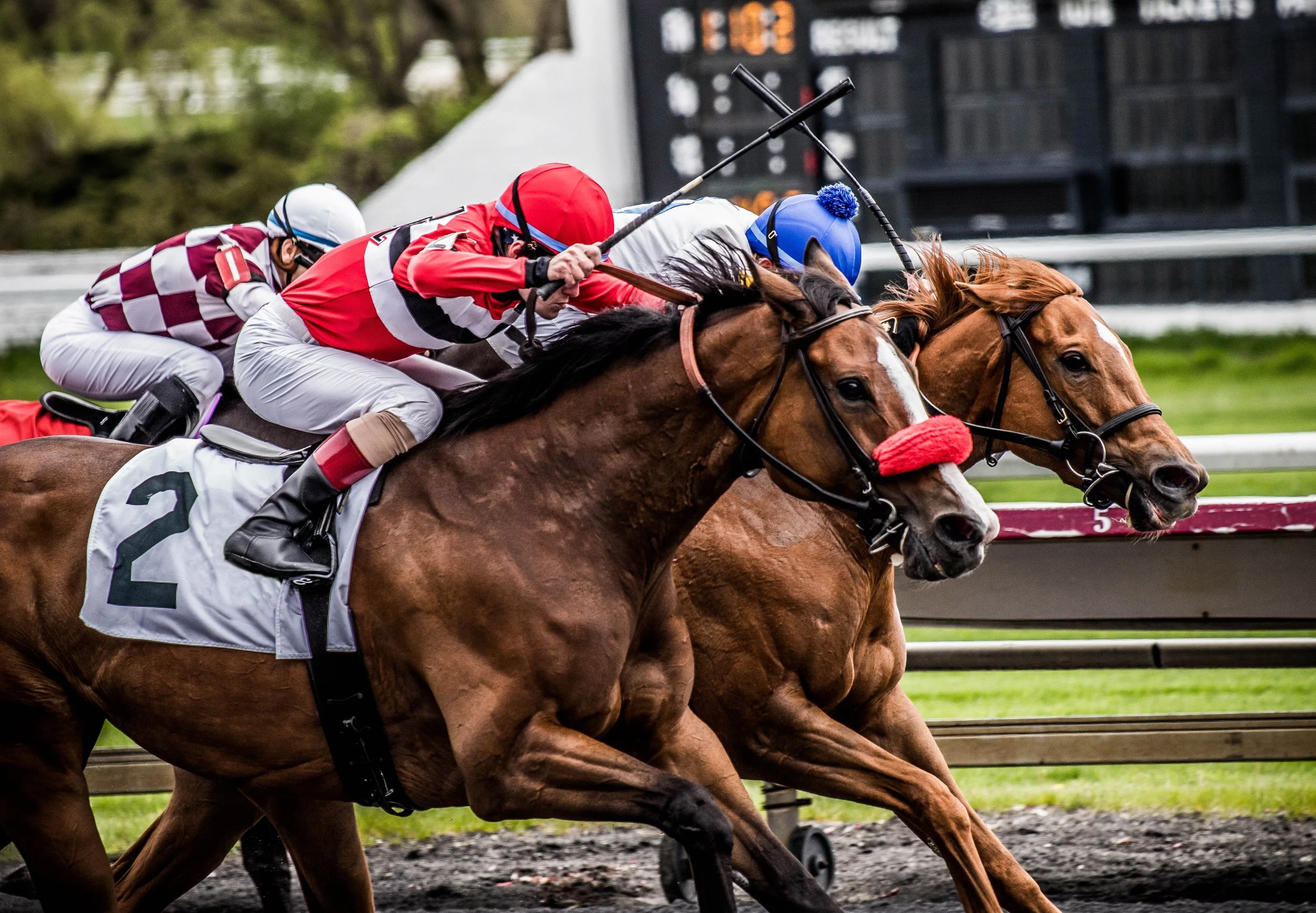
This guide covers everything from the basics of reading the Belmont field to advanced handicapping angles that experienced players use to find value. By the end, you will know how to approach the race with confidence and place bets that reflect real analysis rather than guesswork.
- What Makes the Belmont Stakes Unique
- Reading the Belmont Field: Where to Start
- Beginner Strategy: How to Bet the Belmont for the First Time
- Intermediate Strategy: Handicapping the Belmont
- Advanced Strategy: Exotics and Value Hunting
- Key Stats Every Belmont Bettor Should Know
- Bet the Belmont Stakes at MyWinners
- Frequently Asked Questions
What Makes the Belmont Stakes Unique
Before you can bet the Belmont Stakes well, it helps to understand what sets it apart. Historically run at Belmont Park in Elmont, New York, the race is known as the Test of the Champion — a demanding 1.5-mile distance that separates horses with genuine staying power from speed horses who have been flattered by shorter Triple Crown legs. When Belmont Park has been undergoing renovation, the race has been staged at Saratoga Race Course, as was the case for both the 2024 and 2025 renewals. In those years, the distance was adjusted to 1.25 miles, which slightly changed the tactical dynamics of the race.
The key point for bettors is this: the Belmont does not always reward the fastest horse. It rewards the horse best equipped for the conditions on that specific day — the distance, the going, the pace scenario, and how much racing the contenders have already had in the preceding weeks. The Kentucky Derby winner and Preakness winner are not automatically the horses to beat. In fact, Triple Crown fatigue is a real factor, and horses who skipped one of the earlier legs often arrive fresher.
The 2025 Belmont, held at Saratoga on June 7, was a perfect example. Sovereignty had won the Kentucky Derby but bypassed the Preakness, arriving fresh against Preakness winner Journalism. Sovereignty won, validating the freshness angle and reminding bettors that Triple Crown history does not write the script on its own.
Reading the Belmont Field: Where to Start
For bettors new to the Belmont Stakes, the starting point is understanding the key categories in the field. Every Belmont runner can broadly be placed into one of three groups.
| Bet Type | How It Works | Best For | Risk Level |
|---|---|---|---|
| Win | Your horse must finish first | Beginners, value hunters | Medium |
| Place | Your horse must finish first or second | Cautious bettors, short-priced horses | Low–Medium |
| Show | Your horse must finish in the top three | Safe coverage bets, big fields | Low |
| Exacta | Predict the 1st and 2nd finishers in order | Intermediate bettors with clear top-two opinions | Medium–High |
| Trifecta | Predict the 1st, 2nd, and 3rd finishers in order | Experienced bettors targeting large payouts | High |
| Superfecta | Predict the top four finishers in order | Advanced bettors, small stake / big reward plays | Very High |
| Exacta Box | Covers all finishing order combinations of selected horses (1st/2nd) | Bettors confident in 2–3 horses but unsure of order | Medium |
Triple Crown Survivors
These are horses who ran in both the Kentucky Derby and the Preakness Stakes and now face the Belmont on a compressed schedule. They may carry fatigue — physical and mental — and their previous form is highly visible, which tends to keep their odds shorter than they deserve. The market often underestimates how much three hard races in five weeks can take out of a horse.
Fresh Challengers
Horses who skipped either the Derby or the Preakness arrive with significantly more rest and preparation time. Trainers who target the Belmont specifically will have had weeks to sharpen their horse for this one race, and the freshness advantage at a demanding distance is real. These horses often represent the best value in the field, particularly when the market is focused on the Triple Crown narrative.
Longshot Specialists
The Belmont has a long history of producing upsets. The 2024 edition was won by Dornoch at big odds, and the race's demanding nature means that pace scenarios can develop in ways that sweep longshots to the front. At the right odds, a well-drawn closer with stamina in their pedigree can be a legitimate inclusion in exotics.
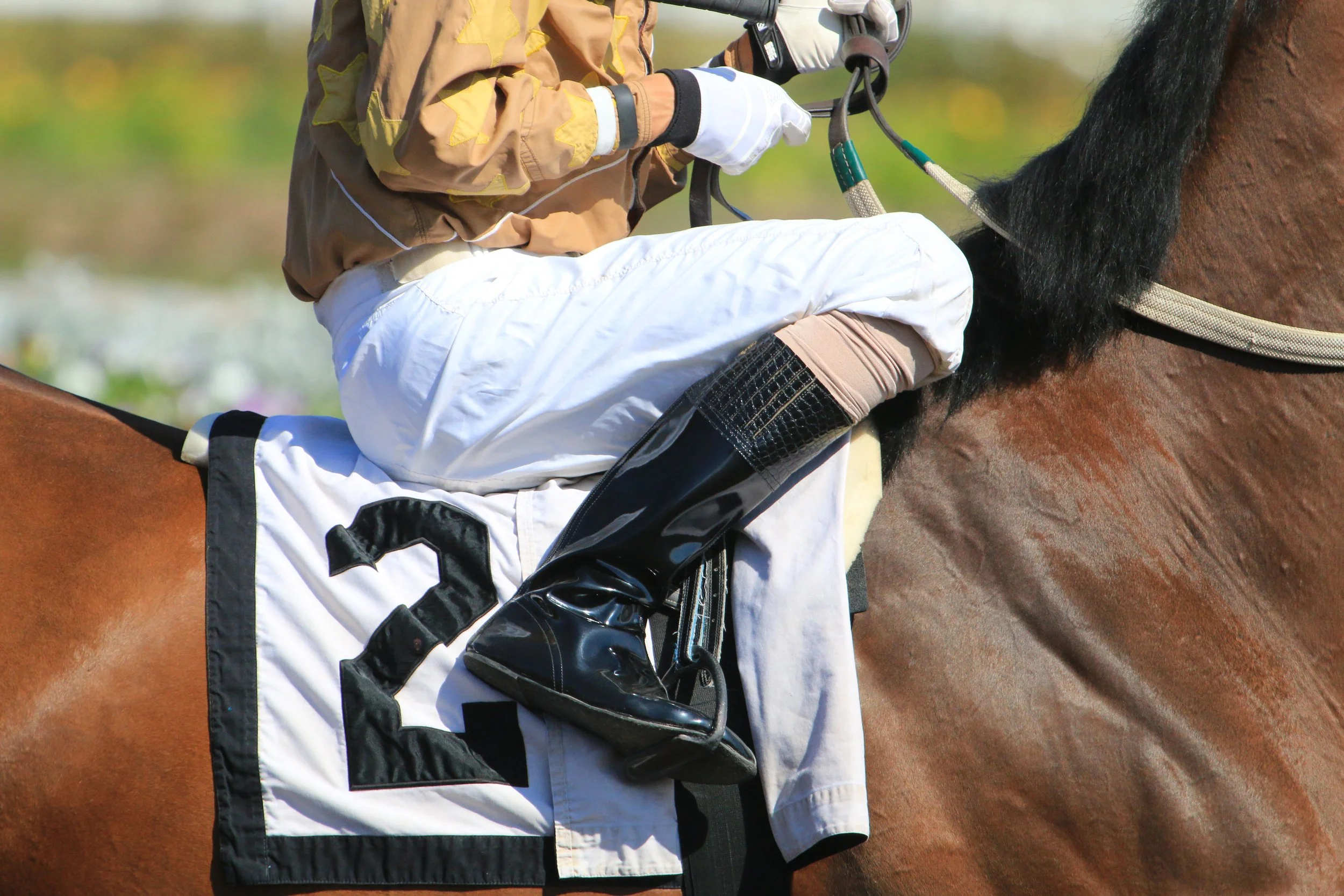
| Runner Type | Description | Advantages | Watch Out For |
|---|---|---|---|
| Triple Crown Survivor | Ran both the Derby and Preakness; arriving on tight schedule | Battle-hardened, proven class at Grade 1 level | Fatigue after 3 races in ~5 weeks; often overbet |
| Preakness Skipper | Bypassed the Preakness to target the Belmont specifically | Fresh, targeted preparation; stamina advantage at distance | Less race fitness than Triple Crown runners; can be rusty |
| First-Time Triple Crown Starter | Ran neither the Derby nor the Preakness; Belmont is their first Triple Crown race | Maximum freshness; often overlooked in the market | Unproven at Grade 1 level; may not handle the occasion |
| Pace Horse / Front Runner | Sets or contests the early pace; needs a slow-run race to win | Can dominate if pace is moderate; controls the race | Vulnerable to closers in fast-paced renewals at long distance |
Beginner Strategy: How to Bet the Belmont for the First Time
If you are new to betting horse racing, the most important thing is to keep it simple and understand what your bet actually means. The Belmont can feel complicated, but the core bet types are straightforward.
Win, Place, and Show
A win bet pays out only if your horse finishes first. A place bet pays if your horse finishes first or second. A show bet pays if your horse finishes in the top three. For beginners, win bets are the most straightforward and offer the best payouts relative to your stake. Place and show bets provide more coverage but reduce your potential return.
A sensible approach for a first-time Belmont bettor is to pick one horse you have researched, back them to win, and accept that horse racing involves genuine uncertainty. Do not spread across too many runners trying to guarantee a return — that approach almost always reduces your potential upside without meaningfully improving your chances.
Look for Value, Not Just the Favourite
The Belmont favourite does not always win. In fact, the history of the race is full of well-fancied horses who could not see out the distance or ran into a fresh challenger coming from off the Triple Crown trail. Before placing a bet, check the morning line odds and look at whether there is a horse with a plausible winning chance who is being ignored by the market. At even moderate odds, backing a well-reasoned selection rather than just following the crowd is a smarter long-term approach to racing.
Intermediate Strategy: Handicapping the Belmont
| Factor | What to Check | Why It Matters |
|---|---|---|
| Freshness | Did the horse skip the Preakness? When did they last race? | Fresher horses have a strong historical record at the Belmont distance |
| Pace Scenario | How many front-runners are in the field? What speed figures do they carry? | Determines whether closers or pace-setters are advantaged on the day |
| Pedigree | Is the sire line known for stamina? Has the horse shown improvement going longer? | Bred-to-stay horses have a clear edge at 1.25 or 1.5 miles |
| Trip Notes | Was the horse hampered, wide, or forced to race wide in their last run? | Horses with troubled trips often improve significantly next time |
| Trainer Intent | Did the trainer specifically target the Belmont? How do their recent works look? | Deliberate targeting of the Belmont with fresh preparation is a strong positive signal |
| Post Position | Where is the horse drawn? Does the draw suit their running style? | Rail draws can offer ground-saving advantages; wide draws force wider paths |
| Market Odds | What are the morning line odds? Is the price fair given your assessment? | Value exists when your analysis rates a horse better than the market does |
Once you’re comfortable with the basics, handicapping opens up a much richer set of tools for analysing the field. The Belmont rewards thorough preparation more than most races because the distance and the unique dynamics of the Triple Crown create angles that are not immediately obvious from looking at headline odds.
Pace Analysis
The single most important variable in the Belmont is pace. How fast will the early fractions be, and which horses benefit from a fast or slow pace? Closers — horses who run from the back and finish strongly — tend to improve when the pace is hot and the front-runners fade in the final furlong. Speed horses who lead throughout need a relatively slow pace to hold on. Before placing any bet, map out the likely pace scenario based on the running styles of the field and decide who benefits.
Pedigree and Distance
At 1.5 miles (or 1.25 miles at Saratoga), the Belmont is a test of stamina that not all horses are bred to handle. Horses with staying pedigrees — particularly those with sire lines known for route distances — have a meaningful advantage. Look at the sire and dam sire of each runner and cross-reference with known stamina indicators. A horse with a speed pedigree who was brilliant at shorter trips may not be able to sustain their effort over a longer trip.
Trip History and Form Cycles
Every horse in the Belmont has a form line — a record of their previous races — and reading that form carefully will reveal horses who are improving, horses who are declining, and horses who had a rough trip in their last outing and are likely to perform better this time. Pay particular attention to any horse who had a troubled passage at the Derby or Preakness. A horse who finished fourth but was bumped early and lost ground through no fault of their own may be significantly better than their last position suggests.
Advanced Strategy: Exotics and Value Hunting
For experienced bettors, the real money in the Belmont is not usually in win bets on the favourite — the markets are efficient, and backing a short-priced horse offers little value. The Belmont is a race where exactas, trifectas, and superfectas can pay extraordinarily well, particularly in years where the field is competitive and the result is hard to call.
Exactas and Trifectas
An exacta requires you to correctly predict the first and second finishers in order. A trifecta extends that to the top three. The key to playing these bets profitably is to have a strong opinion on at least one position while spreading across multiple possibilities in the others. A common structure is to identify one or two horses you believe will run top two, then combine them in exacta boxes with a wider selection of logical closers and pace horses underneath.
Keying Longshots in Exotics
The most profitable exotic strategy in the Belmont is using a well-reasoned longshot as a key horse in an exacta or trifecta. If your analysis identifies a horse at generous odds who has a genuine chance of hitting the board, including them as part of a structured exotic play can deliver large payouts at a fraction of the cost of backing them to win outright. The 2024 Belmont, won by Dornoch at long odds, would have been an enormous exacta or trifecta payout for anyone who had keyed the winner.
Live Betting and In-Play Angles
Where available, live betting on the Belmont offers angles that pre-race markets miss. If you watch the parade ring and early pace unfold differently from expectation, adjusting your bet in-play allows you to act on information that has not yet been priced into the market. A closer who is tracking well in the backstretch while front-runners are working hard may offer value at odds that were set before the race began.
Key Stats Every Belmont Bettor Should Know
A handful of statistical angles are worth keeping in mind whenever you are approaching a Belmont bet. These are not guarantees, but they represent tendencies that have held up across many renewals of the race and are worth factoring into your handicapping.
Favourites have a modest win rate at the Belmont. The race is harder to predict than markets suggest, and backing the favourite to win on its own is rarely the most profitable long-term strategy. Post position matters, but the effect varies by year depending on pace and how the early running develops. Rail draws can be advantageous in certain configurations and disadvantageous in others — check the specific draw and track setup for the year you are betting.
Horses who skipped the Preakness Stakes have a strong record in the Belmont. The data consistently shows that freshness is an asset at this distance, and trainers who deliberately bypass the second leg to target the third often have horses that are well-prepared and physically ready. This angle has produced winners at a range of odds, including short-priced favourites and longshots alike.
Bet the Belmont Stakes at MyWinners
MyWinners offers betting on the Belmont Stakes and all Triple Crown races, with competitive odds, multiple bet types, and a platform built for horse racing fans. Whether you are backing a win bet on the favourite, constructing an exotic combination, or looking for value in a competitive field, you can place your Belmont bets at MyWinners.
Bet online at app.mywinners.com, on the MyWinners: Racing & Sports app on iOS or Android, or go here to find your nearest MyWinners or Winners venue in CT.
Frequently Asked Questions
A straightforward win bet on a horse you have researched is the best starting point. Focus on one selection you believe has genuine value rather than spreading across multiple horses in an attempt to guarantee a return. Keep your stake at a level you are comfortable with and treat the bet as part of the experience of following a major race.
Yes, historically. Horses who bypassed the Preakness arrive fresher and have had more preparation time specifically for the Belmont distance. This is a well-documented angle, and several Belmont winners in recent years — including Sovereignty in 2025 — have followed exactly this route. It does not guarantee success, but freshness is a meaningful factor at 1.25 or 1.5 miles.
An exacta is a bet that requires you to correctly predict the first and second finishers in the exact order. In a competitive Belmont field, exacta payouts can be substantial, especially if one of your selections is at longer odds. You can box an exacta — covering both possible finishing orders — at a higher cost, or straight-key a preferred horse on top of a wider selection underneath to manage your investment.
Traditionally the Belmont Stakes is run at 1.5 miles at Belmont Park in Elmont, New York — the distance that earned it the title Test of the Champion. While Belmont Park has been undergoing renovation, the race has been held at Saratoga Race Course, where the maximum distance is 1.25 miles. The different distance changes the tactical dynamics of the race, generally reducing the stamina premium slightly and making pace analysis slightly more important.
Morning line odds are an oddsmaker's estimate of each horse's chances before betting opens to the public. They are expressed in US moneyline format on MyWinners — for example, a horse at +200 would return $200 profit on a $100 bet, while a horse at -150 would require a $150 bet to return $100 profit. Morning line odds will shift as bets come in, so treat them as a starting reference point rather than a definitive guide to likely payouts.
