
How Many Furlongs Are in a Mile?
A mile is eight furlongs. That single number underpins almost every race distance you will see on a US or UK racecard, so it is worth locking in before you place another bet.
The Simple Answer
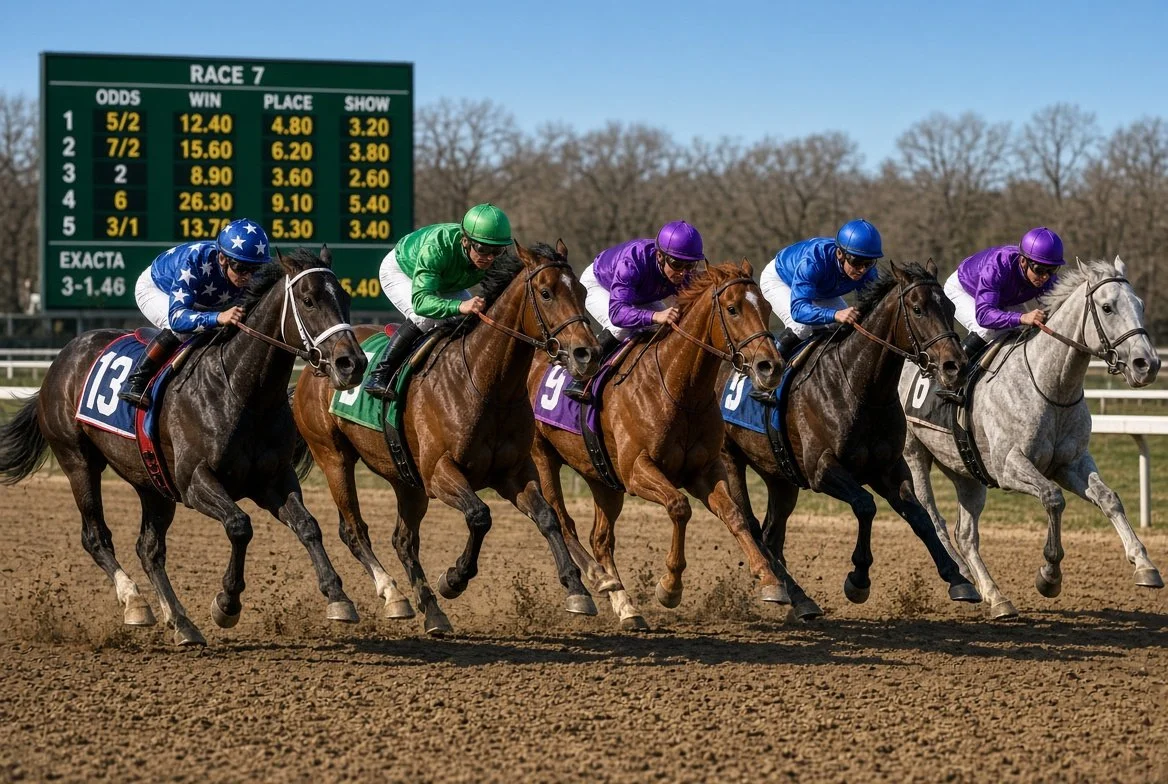
One mile equals eight furlongs. One furlong equals 220 yards, or 201.168 meters, or exactly one eighth of a mile. Two furlongs make a quarter mile, four furlongs make a half mile, and six furlongs make three quarters of a mile. Once you have that ladder in your head, reading a card gets a lot faster.
What Is a Furlong?
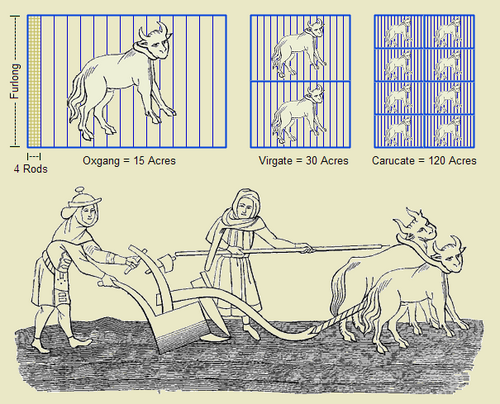
A furlong started as an agricultural measurement, the length of a furrow a team of oxen could plow before needing a rest, roughly 660 feet. Racing kept the unit long after farming moved on, and it is still the standard building block for describing distance on both sides of the Atlantic.
In the US, shorter races are almost always quoted purely in furlongs. A 6 furlong sprint or a 7 furlong route are common labels you will see at tracks like Saratoga, Del Mar, or Ellis Park. Once a race passes the one mile mark, tracks usually switch to miles plus furlongs, so a mile and a sixteenth becomes 1 1/16 miles rather than 8.5 furlongs, though you will still see the raw furlong figure on past performance data and in Equibase charts.
UK and Irish racing follows the same base unit but leans on the miles and furlongs format even for shorter trips, so a 6 furlong sprint at Ascot might be written as 6f, and a mile and a half at Epsom shows up as 1m 4f.
Furlong to Mile Conversion Chart
Here is the full breakdown from a single furlong up to two miles, the range that covers almost every flat and jumps race you will bet on.
| Furlongs | Miles | Yards | Meters |
|---|---|---|---|
| 1 furlong | 1/8 mile | 220 yards | 201 meters |
| 2 furlongs | 1/4 mile | 440 yards | 402 meters |
| 3 furlongs | 3/8 mile | 660 yards | 603 meters |
| 4 furlongs | 1/2 mile | 880 yards | 805 meters |
| 5 furlongs | 5/8 mile | 1,100 yards | 1,006 meters |
| 6 furlongs | 3/4 mile | 1,320 yards | 1,207 meters |
| 7 furlongs | 7/8 mile | 1,540 yards | 1,408 meters |
| 8 furlongs | 1 mile | 1,760 yards | 1,609 meters |
| 10 furlongs | 1 1/4 miles | 2,200 yards | 2,012 meters |
| 12 furlongs | 1 1/2 miles | 2,640 yards | 2,414 meters |
| 16 furlongs | 2 miles | 3,520 yards | 3,219 meters |
Common Race Distances Explained in Furlongs
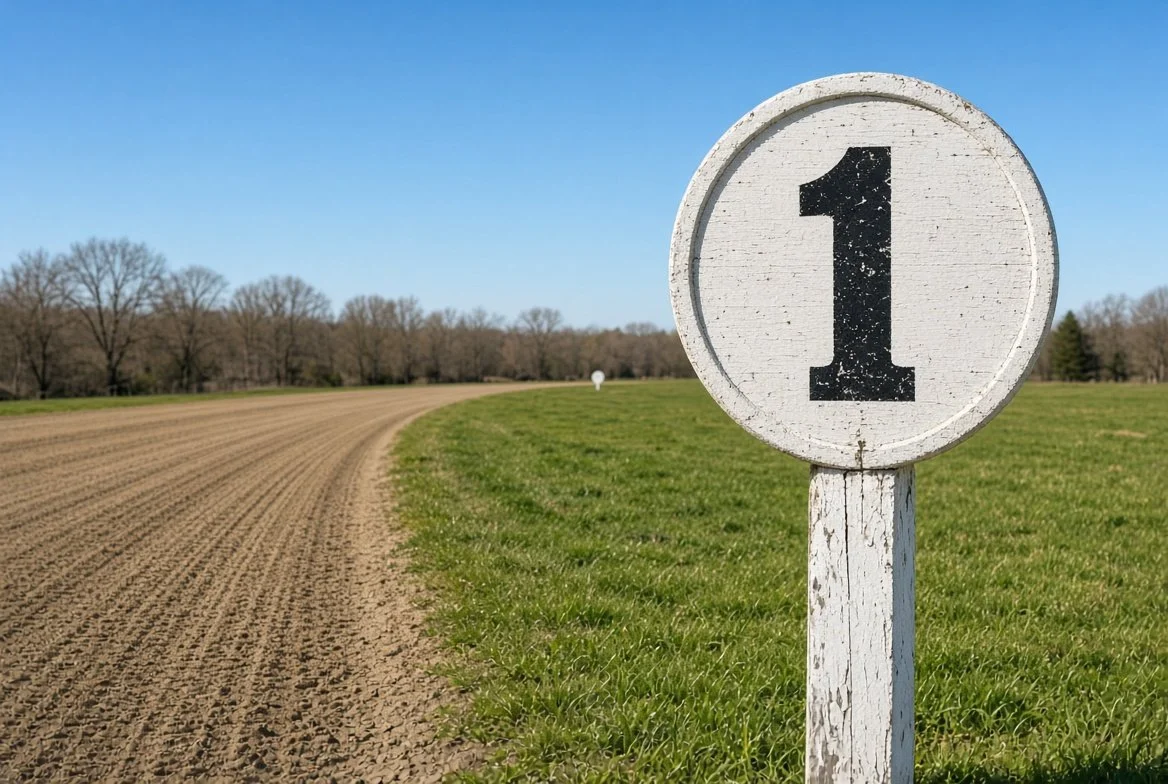
Sprint races generally run from 5 to 7 furlongs. These are pure speed tests, often over in under a minute and a half, and they reward horses with quick early gate speed and a strong closing kick rather than deep stamina.
Route races, sometimes called classic distances, sit at 8 furlongs and up. The Kentucky Derby is run at 1 1/4 miles, or 10 furlongs. The Epsom Derby is run at 1 1/2 miles, or 12 furlongs. Both are true tests of stamina as well as speed, and pedigree becomes a much bigger factor in how horses perform at that trip compared to a 6 furlong sprint.
National Hunt and steeplechase racing in the UK regularly stretches past 2 miles, sometimes as far as 4 miles or more for staying chases like the Grand National, which is run over roughly 4 miles 2 1/2 furlongs. Stamina, not raw speed, decides those races.
Knowing which bracket a race falls into tells you a lot before you even look at the field. A horse that has only won sprinting 6 furlongs is taking on a different kind of test if it steps up to a 10 furlong route, and past performance figures at the shorter trip will not always translate.
| Category | Typical Furlongs | Example Race |
|---|---|---|
| Sprint | 5f to 7f | King George Qatar Stakes, 5f |
| Mile | 8f | Sussex Stakes, 8f |
| Route/Classic | 9f to 10f | Kentucky Derby, 10f |
| Classic Middle Distance | 12f | Epsom Derby, 12f |
| Staying/National Hunt | 16f and up | Grand National, roughly 34.5f |
Why Distance Matters When You Are Betting
Distance is one of the first filters serious bettors apply to a card. A horse with a strong record at 6 furlongs but no proven form beyond a mile is a legitimate concern in a 1 1/8 mile stakes race, no matter how good the recent speed figures look. Breeding, running style, and prior class all interact with distance, and the best handicappers check pedigree and past trip performance before trusting the morning line.
The same logic applies at the extremes. Sprinters bred for pure speed can fade badly once a race stretches past a mile, while classic distance horses sometimes look pedestrian in a 5 furlong dash because they simply are not built to accelerate that fast that early. Matching a horse's proven optimal distance to today's actual trip is one of the simplest edges available before you even factor in odds.
Furlongs vs Other Distance Terms You Will See
A few other terms show up alongside furlongs on racecards and formlines. Chains and links are older British units you will occasionally see in historical race records, but they have essentially disappeared from modern usage. Meters show up in international results, particularly from Japan, Hong Kong, and continental Europe, where 1600 meters is roughly a mile and 2000 meters is roughly 1 1/4 miles. If you are comparing international form against a US or UK card, converting meters to furlongs first makes the trip much easier to judge at a glance.
Bet Smarter With Distance in Mind
Furlongs are not just trivia, they are one of the fastest ways to size up a race before you commit a bet. Check the trip, check whether a horse has actually proven it wants that distance, and you are already ahead of anyone betting on name recognition alone.
Bet online at app.mywinners.com, on the MyWinners: Racing & Sports app on iOS or Android, or go here to find your nearest MyWinners or Winners venue in CT.
Frequently Asked Questions
There are 8 furlongs in a mile. One furlong equals 220 yards, or one eighth of a mile.
A furlong is 660 feet, which is the same as 220 yards or roughly 201 meters.
Furlongs give a more precise way to describe race distances under a mile without resorting to fractions like a sixteenth or an eighth of a mile written out. Once a race passes a mile, tracks typically switch to miles plus furlongs, such as 1 1/16 miles.
The Kentucky Derby is run at 1 1/4 miles, which is 10 furlongs.
Sprint races generally cover 5 to 7 furlongs, rewarding early speed over a horse's stamina at longer trips.
