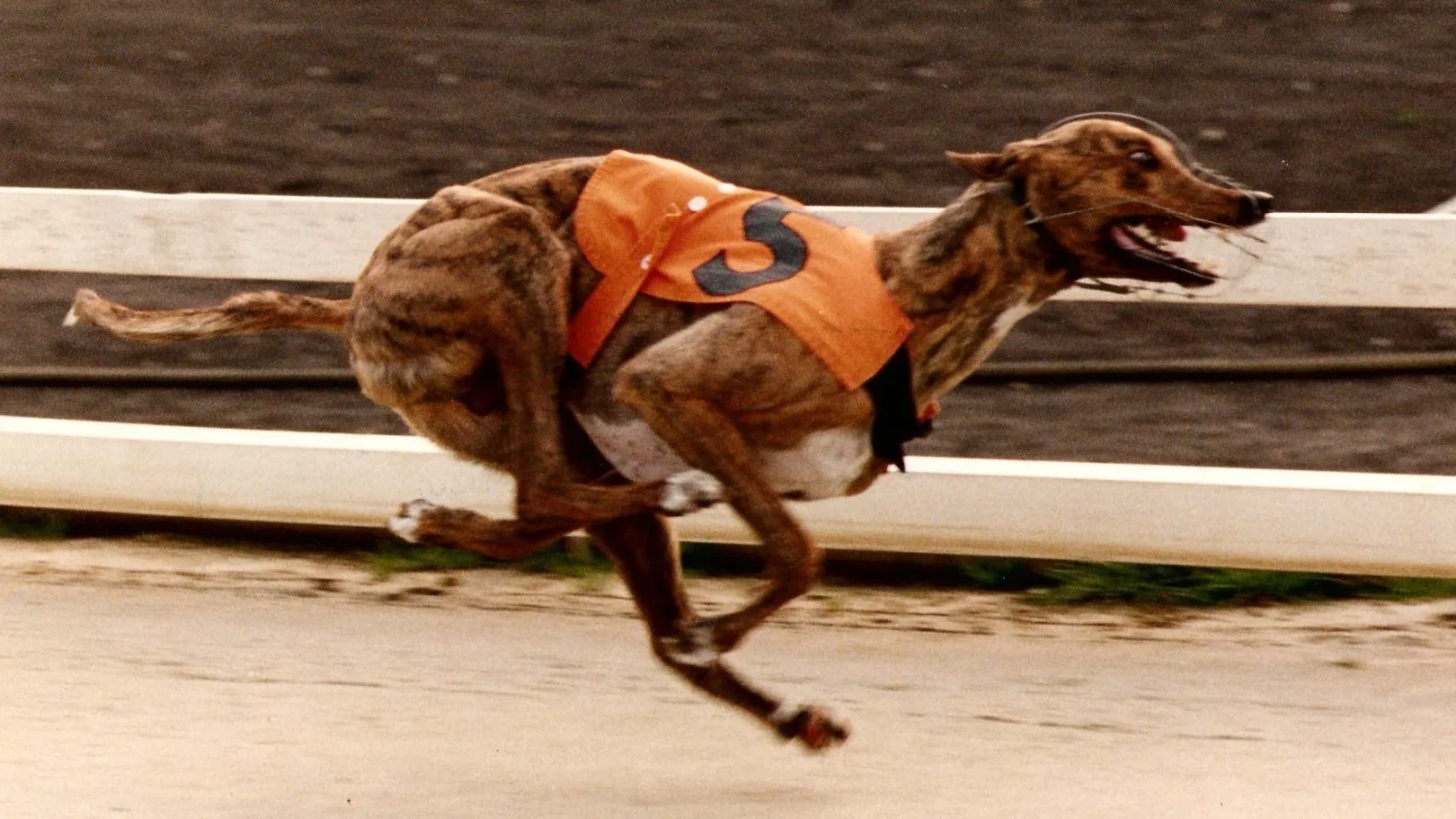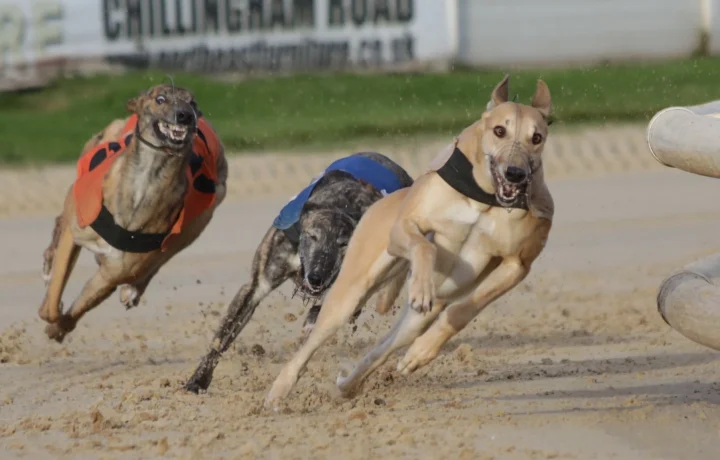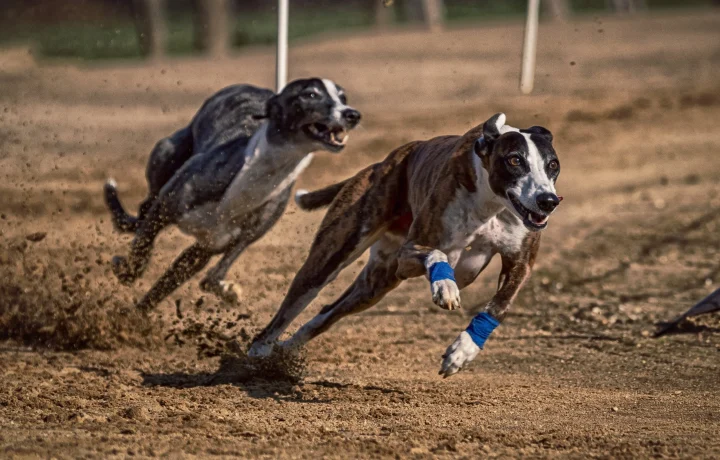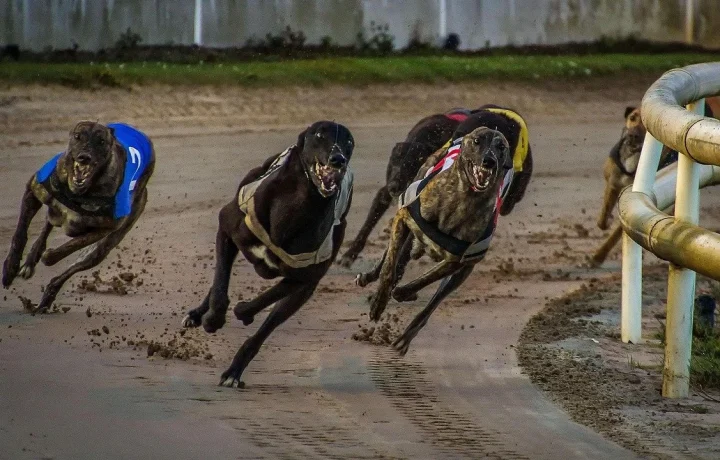
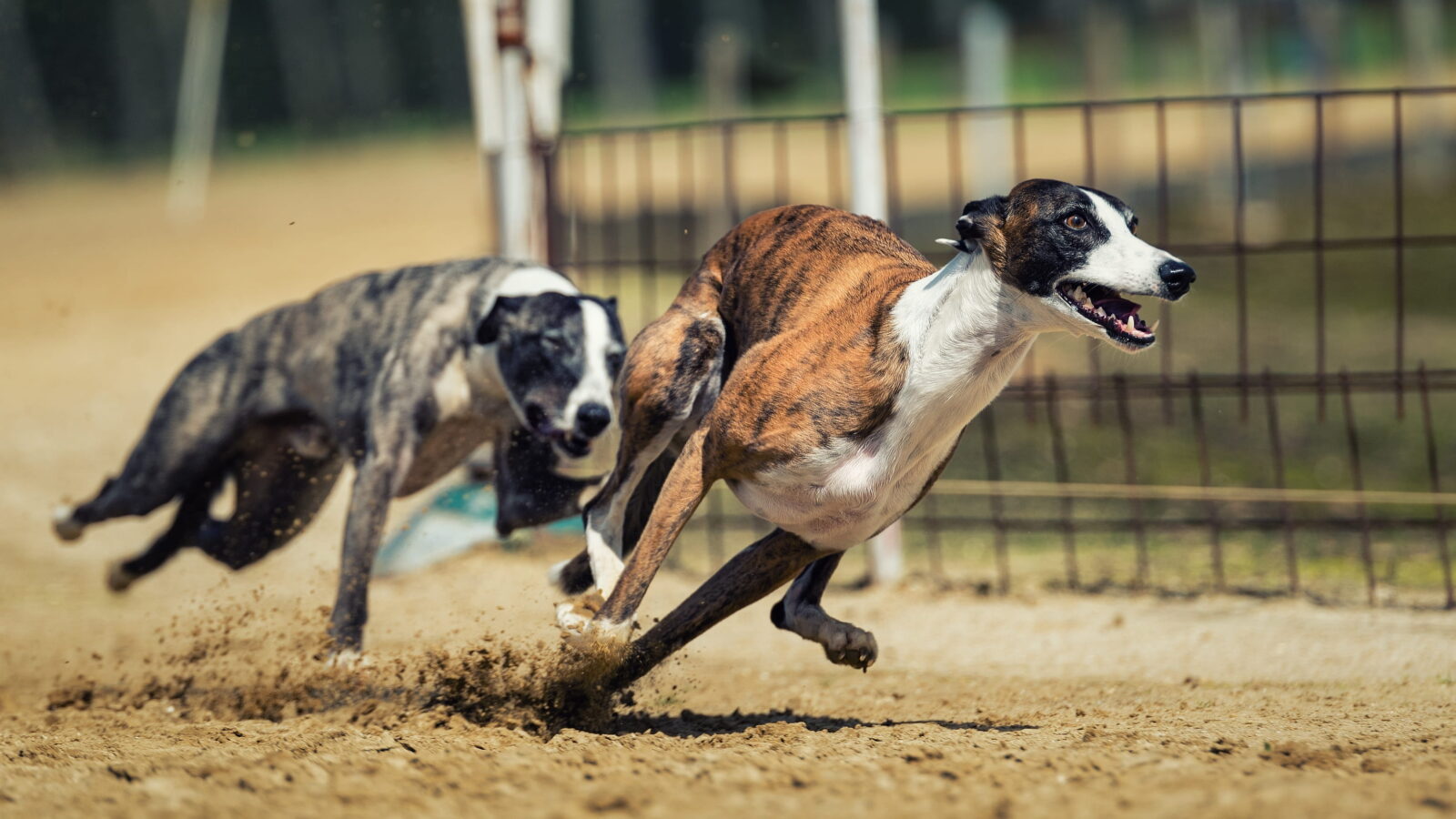
Anyone who bets greyhound racing should know how the dogs are looked after. Welfare now shapes the rules of the sport in all three places MyWinners takes its racing from: West Virginia, the UK and Australia. It covers how dogs are registered and tracked, how injuries are treated and reported, and what happens when a dog retires.
This guide sets out what the sector does for its greyhounds, the numbers it publishes, and the debate that still surrounds the sport.
Why Welfare Sits at the Center of Greyhound Racing
Greyhound racing has faced hard questions about animal welfare for years, and those questions have changed the sport. The modern rules in Australia grew directly out of a scandal in 2015, and the future of US racing is now a matter for Congress. Regulators, governing bodies and trainers all know that the sport’s license to operate depends on how well it treats its dogs.
For bettors, that matters for a simple reason. The racing we bet on runs under these rules, and the welfare record of each jurisdiction is public.
| Welfare Measure | Australia | UK | West Virginia |
|---|---|---|---|
| Regulator | State controlling bodies, with an independent welfare and integrity commission in NSW since 2018 | Greyhound Board of Great Britain, UKAS accredited | West Virginia Racing Commission |
| Vet care at the track | Pre race veterinary checks for every greyhound at NSW meetings | Vet at every race and trial, inspecting every greyhound (required by law in England) | State veterinarian on site, dogs checked before racing |
| Injury reporting | Published in annual reports and NSW life cycle reports | Annual injury and retirement data; 1.1% injury rate in 2025 | Every injury recorded with the racing commission |
| Rehoming | Adoption programs in each state, including Victoria’s GAP, which rehomed a record 784 dogs in 2024/25 | £420 retirement bond per dog funds care at approved homing centers | Adoption groups plus the Four Legs 4 Hounds treatment program |
| Euthanasia rules | NSW allows it only in set circumstances, carried out by a vet | Racecourse rate of 0.05% in 2025, with a fatality review after every death | Track vet estimated three to six a year at Wheeling (2022) |
| Tracking | NSW life cycle reports and Victoria’s digital lifecycle tracking | Microchip and ear tattoo identification; injury records kept 10 years | Injury records held by the racing commission |
How Australian Greyhound Racing Is Regulated
Each Australian state runs its own greyhound industry through a controlling body, such as Greyhound Racing NSW and Greyhound Racing Victoria, with racing integrity and welfare overseen under state law.
The turning point came in February 2015, when the ABC’s Four Corners program exposed live baiting by some trainers. The board of Greyhound Racing NSW was stood down, and the state launched a special commission of inquiry led by former High Court judge Michael McHugh. In July 2016, New South Wales announced a ban on the sport, then reversed it that October.
What followed was a wave of reform. New South Wales created the Greyhound Welfare and Integrity Commission under the Greyhound Racing Act 2017, separating the regulator from the body that runs the racing. Victoria and Queensland brought in their own reforms after the scandal.
Scrutiny has continued since. In December 2025, the NSW Government released the report of an inquiry into Greyhound Racing NSW, led by acting commissioner Lea Drake, along with its response and a reform agenda.
Rehoming: Greyhounds As Pets and the Adoption Programs
Racing greyhounds usually retire while still young, and rehoming is the biggest welfare job the industry does. Each state runs an adoption program, often under the Greyhounds As Pets name, which assesses retired dogs, prepares them for life in a home and matches them with owners.
Victoria’s Greyhound Adoption Program has run since 1996 and describes itself as Australia’s largest greyhound rehoming agency. It found homes for a record 784 greyhounds in the 2024/25 financial year. In November 2025, the Victorian Government and Greyhound Racing Victoria committed $5 million to rebuild the program’s main center at Seymour, adding kennels and upgrading its veterinary facilities.
In New South Wales, Greyhounds As Pets rehomed a record 80 dogs across its National Adoption Day events in April 2025, including 41 at a single event in Sydney.
Rules on Retirement and Euthanasia
New South Wales sets out some of the most detailed rules in the sport. Its rehoming policy requires owners to make real attempts to rehome any greyhound they no longer want. Approved routes include private rehoming, the Greyhounds As Pets program and other recognized rescue groups.
The policy also limits euthanasia. It is only allowed in set circumstances, such as a vet certifying an untreatable condition that causes significant suffering, or a serious aggression risk that makes rehoming unsafe. A registered vet must carry it out except in an emergency. Owners cannot pass a dog to anyone they believe may euthanize it, and they cannot send dogs to research or blood collection facilities.
Every retirement has to be reported to the regulator. An owner who rehomes a dog must lodge a retirement notification within 10 days, and a vet euthanasia must be reported within two days.
Tracking, Injuries and Transparency
Australian regulators now publish welfare data. The NSW commission releases regular life cycle reports that follow greyhounds from birth to retirement. Victoria’s digital lifecycle tracking system was due for full rollout in early 2026.
Greyhound Racing Victoria’s 2024/25 annual report shows where the numbers stand. Injuries per 1,000 starters fell 2.6% over four years. Racing fatalities held at 43, which is 47% lower than six years earlier. GRV also carried out 3,466 property inspections, more than double the number of two years before. Euthanasia figures rose slightly to 450, which GRV put down to better data collection.
Those figures show both progress and the work still ahead, and the industry publishes them openly.
Greyhound Welfare in the UK
British greyhound racing is regulated by the Greyhound Board of Great Britain, which licenses tracks, trainers and owners and enforces more than 200 Rules of Racing. GBGB says it is the only UK sport with UKAS accreditation for its regulation. In England, the Welfare of Racing Greyhounds Regulations 2010 add a legal floor. A vet must attend every race and trial and inspect every greyhound before it runs, and tracks must keep injury records for 10 years.
GBGB launched its welfare strategy, A Good Life for Every Greyhound, in May 2022. Regional regulatory vets now inspect trainers’ kennels every year, and turf and track consultants visit each racecourse every quarter to check the running surface.
Retirement is funded up front. Under the Greyhound Retirement Scheme, launched in 2020, owner and GBGB together now put up a bond of £420 for every greyhound, which pays for its care at an approved homing center when it retires. GBGB says more than £7 million has gone to over 100 homing centers through the scheme, covering almost 17,500 greyhounds.
GBGB publishes its injury and retirement data every year. In 2025, greyhounds made 330,836 runs, and 98.9% passed without incident. The injury rate held at 1.1%, in line with previous years. Euthanasia at the racecourse rose to 0.05% from 0.03% in 2024, and GBGB responded by introducing a fatality review after every death at a track. Of the 5,186 greyhounds that retired in 2025, 3,532 went straight into a homing center. GBGB also reports that euthanasia on economic grounds has fallen 99% since 2018.
Greyhound Welfare in West Virginia
In the US, welfare at the two West Virginia tracks rests on the state’s racing rules. A state veterinarian works on site at Wheeling Island, checks dogs before they race and treats injuries at the track. Every injury, from a torn toenail to a broken leg, goes on record with the state racing commission.
The industry also funds care beyond the track. The Four Legs 4 Hounds program, started by a West Virginia track veterinarian with money from breeders, sends greyhounds with broken legs to the veterinary hospital at Ohio State University for treatment rather than euthanasia.
The state’s injury records cut both ways. West Virginia Public Broadcasting reported 489 greyhound injuries in 2024, including 162 broken bones and 13 deaths. Supporters point to the on site vet care and the reporting itself. Critics, led by the campaign group Grey2K USA, cite the same records as evidence the sport should end.
The Debate Over Greyhound Racing’s Future
Greyhound racing remains under political pressure in all three countries. In the US, the Farm Bill that passed the House of Representatives 224 to 200 in April 2026 includes a nationwide ban on greyhound racing. The Senate had not passed it as of August 2026, and Senator Shelley Moore Capito has raised concerns about the law enforcement pensions that track revenue helps fund.
In the UK, Wales passed a law in April 2026 to end greyhound racing at its only track, the Valley in Ystrad Mynach, which is due to close between 2027 and 2030. Scotland’s last track closed in 2025, and the Scottish Parliament voted in March 2026 to back a ban. Racing continues at the GBGB tracks in England.
In Australia, the Tasmanian Government has proposed phasing out greyhound racing by June 2029. The bill passed the lower house in December 2025 but has stalled in the upper house. Racing continues across the rest of Australia under the reformed rules.
Betting Greyhound Racing With MyWinners
The greyhound racing we offer runs under regulated welfare systems, with public reporting on injuries, retirements and rehoming. If you’d like to give a retired racer a home, Greyhounds As Pets in Australia and adoption groups in the US are always looking for owners. When you’re ready to bet, you can find every greyhound card with us.
Bet online at app.mywinners.com, on the MyWinners: Racing & Sports app on iOS or Android, or go here to find your nearest MyWinners or Winners venue in CT.