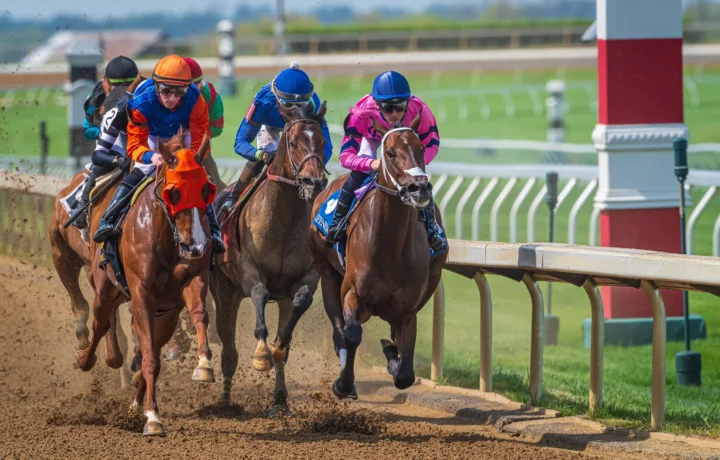
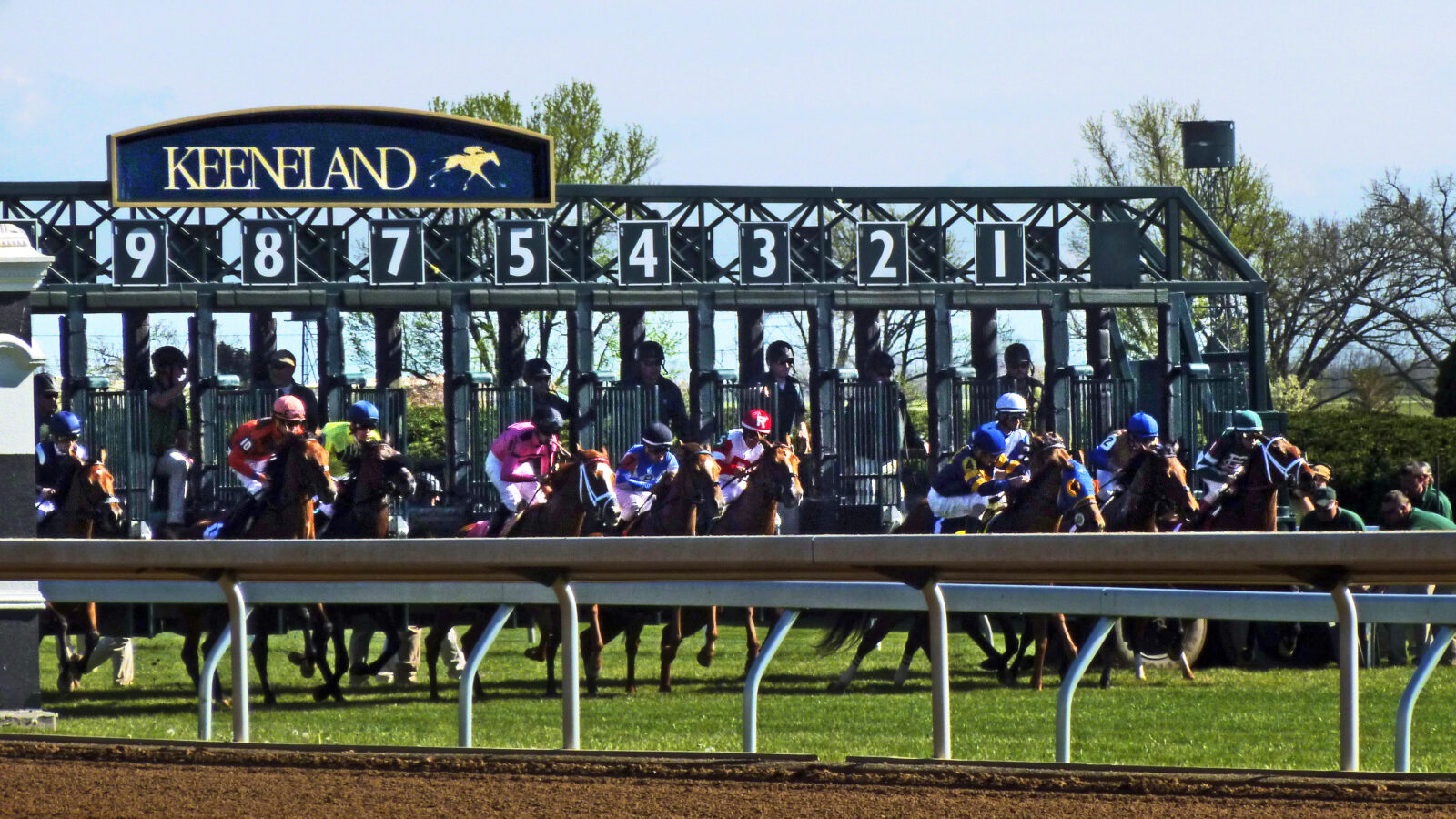
Keeneland runs for only about five weeks a year, and it still ranks among the most important tracks in American racing. The Lexington oval stages a spring meet in April and a fall meet in October, runs the world’s largest Thoroughbred auction house, and in 2026 hosts the Breeders’ Cup for the fourth time.
This guide covers where Keeneland came from, how its dirt and turf courses play, the Grade 1 races worth circling, and what the recent numbers say about betting it. Keeneland runs outside the Churchill Downs group, so every MyWinners customer can bet it, online or at any of our Connecticut venues.
Keeneland Race Track at a Glance
Keeneland sits at 4201 Versailles Road, on the western edge of Lexington, Kentucky, in the heart of the Bluegrass horse country. The track is owned by the Keeneland Association and covers 147 acres of former Keene family farmland.
| Keeneland Fact | Detail |
|---|---|
| Location | 4201 Versailles Road, Lexington, Kentucky |
| Opened | October 15, 1936 |
| Owner | Keeneland Association |
| Main track | 1 1/16 mile dirt oval (Polytrack from fall 2006 to 2014) |
| Turf course | 7½ furlongs (Haggin Course, or Keeneland Course with the rail out 15 feet) |
| Race meets | Spring meet in April, fall meet in October |
| Usual race days | Wednesday through Sunday, dark Mondays and Tuesdays |
| Grade 1 races | 11 a year (5 spring, 6 fall) |
| Breeders’ Cup host | 2015, 2020, 2022 and 2026 |
| Record crowd | 50,155 on Breeders’ Cup Saturday, October 31, 2015 |
How Keeneland Began
Lexington had raced since the 1700s, but its old Kentucky Association track closed in 1933 and came down two years later. That left the city without a racetrack.
A few miles west, Jack Keene had started building a private track on his family’s land back in 1916. He never had the money to finish it. On August 29, 1935, a committee of horsemen led by Hal Price Headley bought the property from Keene for $130,000 and set it up as a racing and sales association that put its earnings back into the sport.
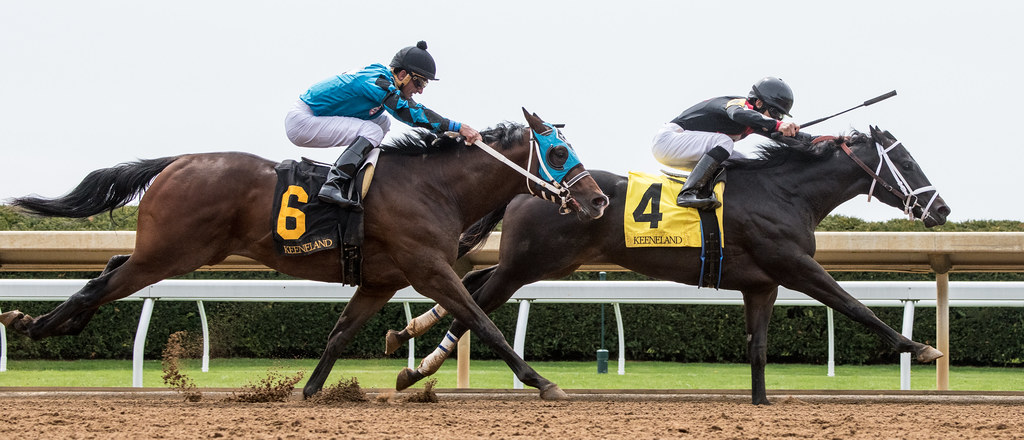
Keeneland opened on October 15, 1936, in front of about 8,000 people. A filly called Myrtlewood won the Keen Handicap that day, then came back two days later to win the first Ashland Stakes. The Ashland still runs every April as a Grade 1 for three year old fillies.
The track kept its quirks for decades. During World War II it raced its spring meets at Churchill Downs between 1943 and 1945 because of wartime travel limits. Keeneland also had no race calls over its public address system until 1997. It was the last major track in North America to hold out, and regulars treated the silence as part of the charm. Keeneland became a National Historic Landmark in 1986.
Its motto sums up the approach: “Racing as it was meant to be.”
The Dirt and Turf Courses at Keeneland
The main track is a 1 1/16 mile dirt oval. Inside it sits a 7½ furlong turf course. With no temporary rail, the turf runs as the Haggin Course. When Keeneland moves the rail out 15 feet to save the grass, the same strip runs as the Keeneland Course. A five furlong training track sits down the hill from the main oval.
Keeneland replaced its dirt with Polytrack for the fall meet of 2006, part of a push toward synthetic surfaces across Kentucky. It put dirt back down in the summer of 2014, in time for the 2015 Breeders’ Cup. So if you dig through old Keeneland form, any main track race between those dates came on the synthetic, and that form doesn’t translate cleanly to today’s dirt.
Keeneland’s Spring and Fall Meets
Keeneland races in two short bursts. The spring meet runs through most of April, and the fall meet covers most of October. Both usually race Wednesday through Sunday, with Mondays and Tuesdays dark.
The 2026 spring meet ran 15 days and carried 19 stakes worth a record $9.55 million. The fall meet runs 17 days, from October 2 through October 24, with 22 stakes worth $10.7 million. Six of those fall stakes are Grade 1s.
Each meet has its own purpose. The spring meet sits right on the road to the Kentucky Derby. The fall meet feeds the Breeders’ Cup. Its opening weekend, Fall Stars Weekend, packs in the Win and You’re In races that hand out automatic Breeders’ Cup berths with fees paid. In 2026 that meant eight of them across October 2 to 4.
The Big Races at Keeneland
Keeneland stages 11 Grade 1 races a year across its two meets. Here’s the full list, with the purses for 2026.
| Race | Meet | For | Distance | Surface | 2026 Purse |
|---|---|---|---|---|---|
| Central Bank Ashland | Spring | 3yo fillies | 1 1/16 miles | Dirt | $750,000 |
| Toyota Blue Grass | Spring | 3yo | 1 1/8 miles | Dirt | $1,250,000 |
| Resolute Racing Madison | Spring | Fillies and mares, 4yo and up | 7 furlongs | Dirt | $650,000 |
| Maker’s Mark Mile | Spring | 4yo and up | 1 mile | Turf | $650,000 |
| Jenny Wiley | Spring | Fillies and mares, 4yo and up | 1 1/16 miles | Turf | $650,000 |
| Darley Alcibiades | Fall | 2yo fillies | 1 1/16 miles | Dirt | $650,000 |
| Coolmore Turf Mile | Fall | 3yo and up | 1 mile | Turf | $1,250,000 |
| Claiborne Breeders’ Futurity | Fall | 2yo | 1 1/16 miles | Dirt | $650,000 |
| First Lady | Fall | Fillies and mares | 1 mile | Turf | $800,000 |
| Juddmonte Spinster | Fall | Fillies and mares | 1 1/8 miles | Dirt | $650,000 |
| Queen Elizabeth II Challenge Cup | Fall | 3yo fillies | 1 1/8 miles | Turf | $750,000 |
The Toyota Blue Grass Stakes is the spring headliner. It runs over 1 1/8 miles on dirt for three year olds, carries a $1.25 million purse in 2026, and hands out 100 Kentucky Derby qualifying points to the winner. That’s usually enough to guarantee a spot in the Derby starting gate. The Central Bank Ashland does the same job for fillies heading to the Kentucky Oaks.
On the turf, the Maker’s Mark Mile and the Jenny Wiley bring older horses back for their first big tests of the year.
In the fall, the Coolmore Turf Mile is the richest race at $1.25 million and a Win and You’re In for the Breeders’ Cup Mile. The Darley Alcibiades and the Claiborne Breeders’ Futurity give the best two year olds on dirt a route test, and both winners earn a Breeders’ Cup berth. The Juddmonte Spinster does the same for older fillies and mares heading to the Distaff.
The Queen Elizabeth II Challenge Cup has a story all of its own. Keeneland created it for the Queen’s visit in 1984 and built its trackside winner’s circle for the same occasion. The race is now a Grade 1 on the turf for three year old fillies.
Keeneland and the Breeders’ Cup
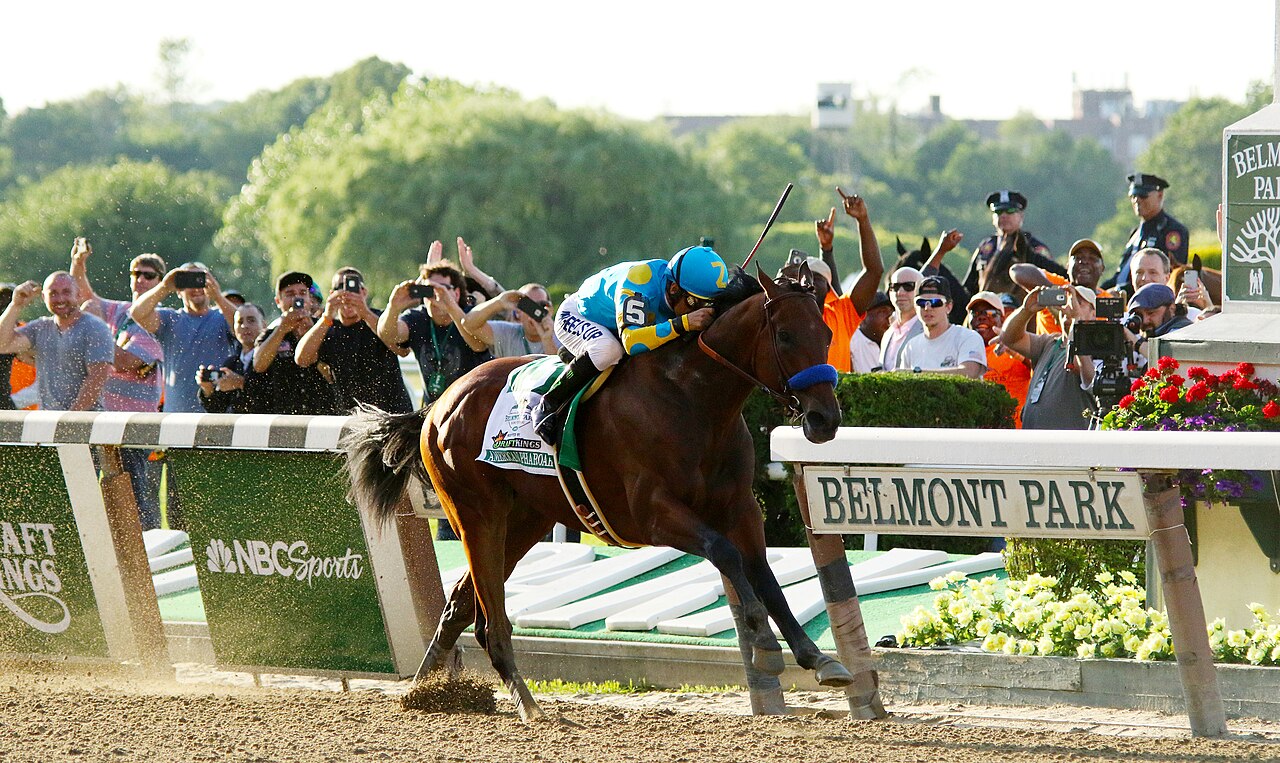
Keeneland first hosted the Breeders’ Cup in 2015, and it delivered one of the great days in American racing. American Pharoah, already the first Triple Crown winner in 37 years, won the Classic by 6½ lengths in his final start and completed what fans called the Grand Slam. Keeneland’s record crowd of 50,155 watched it happen.
The Championships came back in 2020, when Authentic won the Classic in a year with no fans on track. They returned again in 2022, when Flightline won the Classic by 8¼ lengths, the widest winning margin in the race’s history.
The 2026 Breeders’ Cup runs at Keeneland on October 30 and 31, the track’s fourth time as host. That’s why every big race on the fall meet matters so much. Horses that handle this course in early October go into the Championships with an edge.
| Year | Classic Winner | Trainer | Jockey | Winning Margin |
|---|---|---|---|---|
| 2015 | American Pharoah | Bob Baffert | Victor Espinoza | 6½ lengths |
| 2020 | Authentic | Bob Baffert | John Velazquez | 2¼ lengths |
| 2022 | Flightline | John Sadler | Flavien Prat | 8¼ lengths |
| 2026 | Runs October 31 | TBC | TBC | TBC |
The Sales Ring Behind the Racing
Keeneland means as much to the bloodstock business as it does to racing. The first auction took place in the paddock in April 1938, and the first yearling sale came in August 1943. A colt sold there, Hoop Jr., won the 1945 Kentucky Derby.
Today Keeneland runs three sales a year: the September Yearling Sale, the November Breeding Stock Sale and the January Horses of All Ages Sale. September is the big one, and a huge share of the horses you’ll bet in graded stakes over the next few years first change hands in that ring.
The Keeneland Library, which grew from a donation of rare racing books in 1939, holds more than 15,000 books and periodicals and the complete archive of the Daily Racing Form.
How Keeneland Races Play: Betting Trends
America’s Best Racing broke down Keeneland’s recent results across the 2025 fall and 2026 spring meets, and a few patterns stand out.
In dirt sprints, early speed and stalkers rule. Horses on or near the lead won 45.6% of 136 sprints, and horses sitting one to four lengths back won another 39.7%. Deep closers won just 14.7%. Post position made little difference.
Dirt routes are fairer than they used to be. Speed horses won 43% of 65 routes over the last year, down from 57% two years earlier. Stalkers won 40% and closers 17%.
Turf routes go the other way. Speed won only 20% of them, while stalkers won close to half and closers took more than a third. Fields average more than ten runners, and post position has played fair for four years running. In turf sprints, horses breaking from post 7 or wider have run at a slight disadvantage.
The connections matter too. Brad Cox won every Keeneland fall training title from 2020 through 2025, and he went 12 from 43 at the 2025 fall meet. Irad Ortiz Jr. was the leading rider that fall with 25 wins. Chad Brown’s numbers look ordinary on wins alone, but 9 of his 20 starters hit the exacta in fall 2025, so use his horses underneath.
These trends shift from meet to meet, so treat them as a starting point and check the current meet’s numbers before you build tickets.
Bet Keeneland With MyWinners
Ninety years after it opened, Keeneland still gives us some of the best betting races of the year in April and October, and this fall it caps them with the Breeders’ Cup. Whether you’re playing the Blue Grass, Fall Stars Weekend or the Championships themselves, you can bet every Keeneland card with us.
Bet online at app.mywinners.com, on the MyWinners: Racing & Sports app on iOS or Android, or go here to find your nearest MyWinners or Winners venue in CT.
Image 1: Image by Calstanhope, licensed under CC by 4.0.
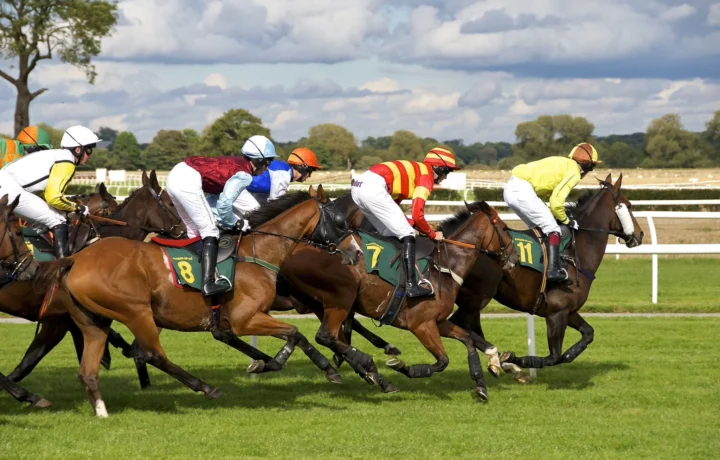
Image 2: USDA Photo by Lance Cheung, licensed under Public Domain Mark 1.0 Universal.